
Why Do I Feel Shaky for No Reason? Adrenaline Surges in POTS Explained
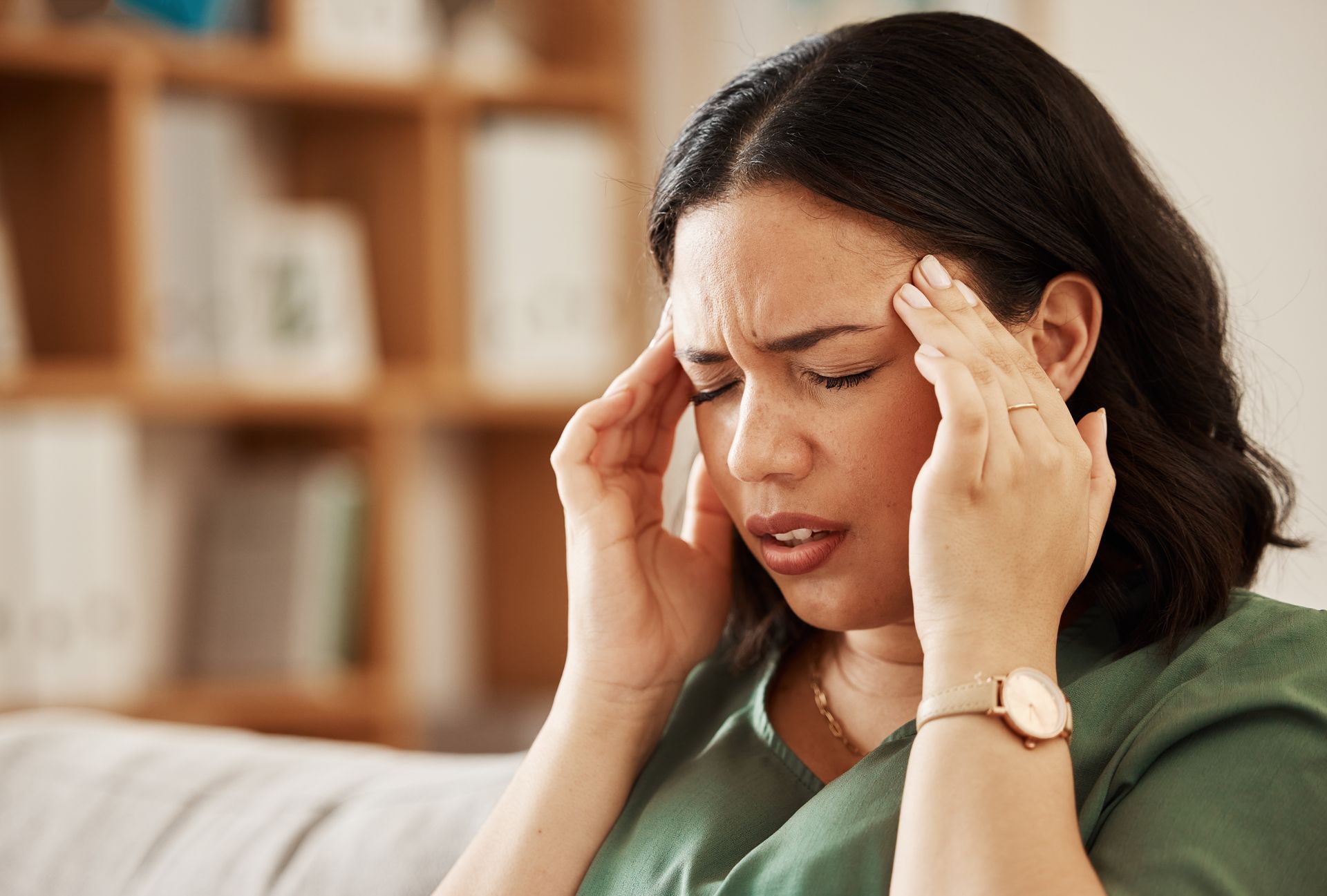
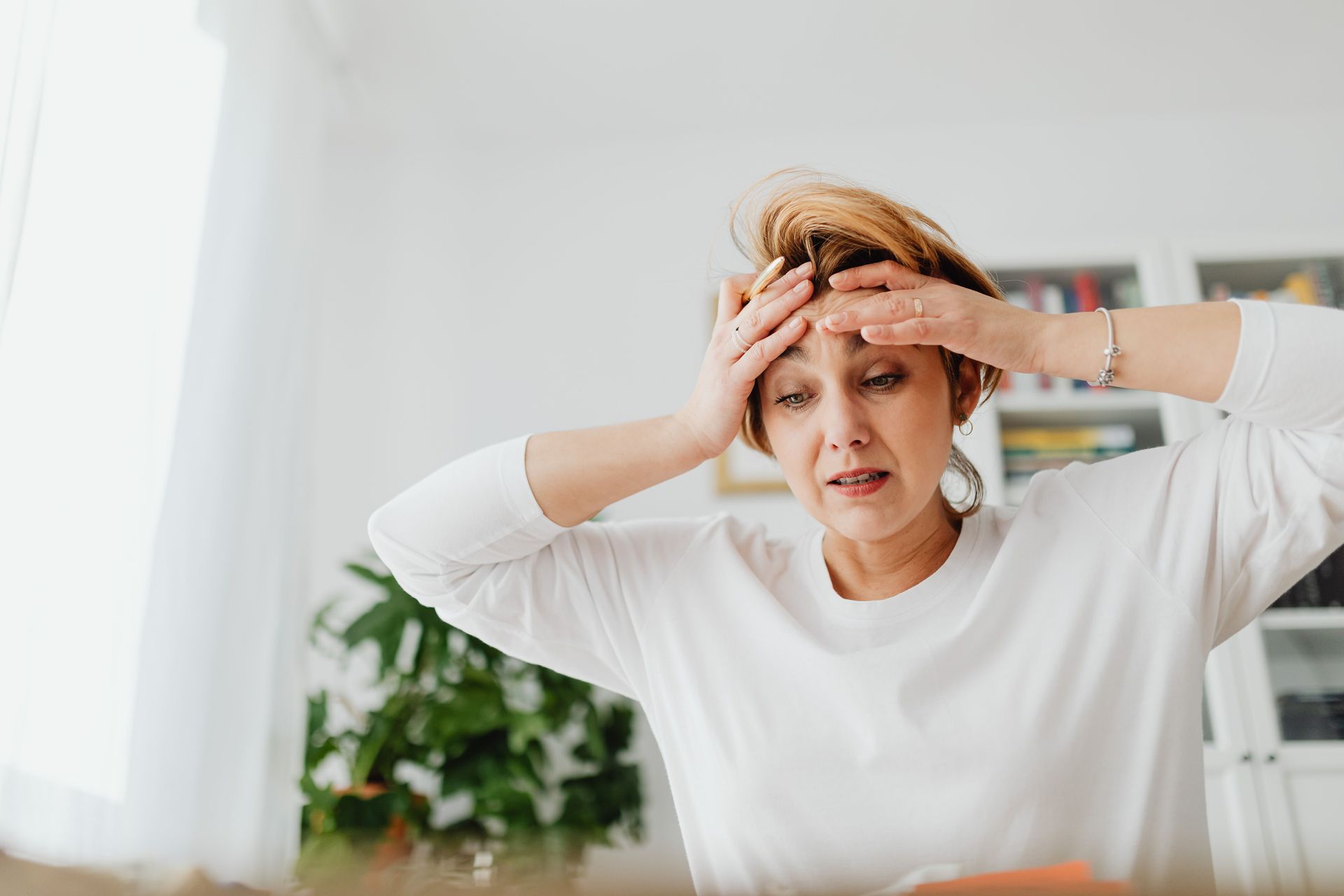
If you have ever felt suddenly shaky, jittery or wired for seemingly no reason, with your heart pounding and your hands trembling while you are just sitting quietly or standing at the kitchen bench, I want you to know there is a real explanation for this. It is one of the more unsettling symptoms my POTS patients describe, and it usually points to an adrenaline surge rather than anything you have done wrong.
What Is Actually Happening in Your Body
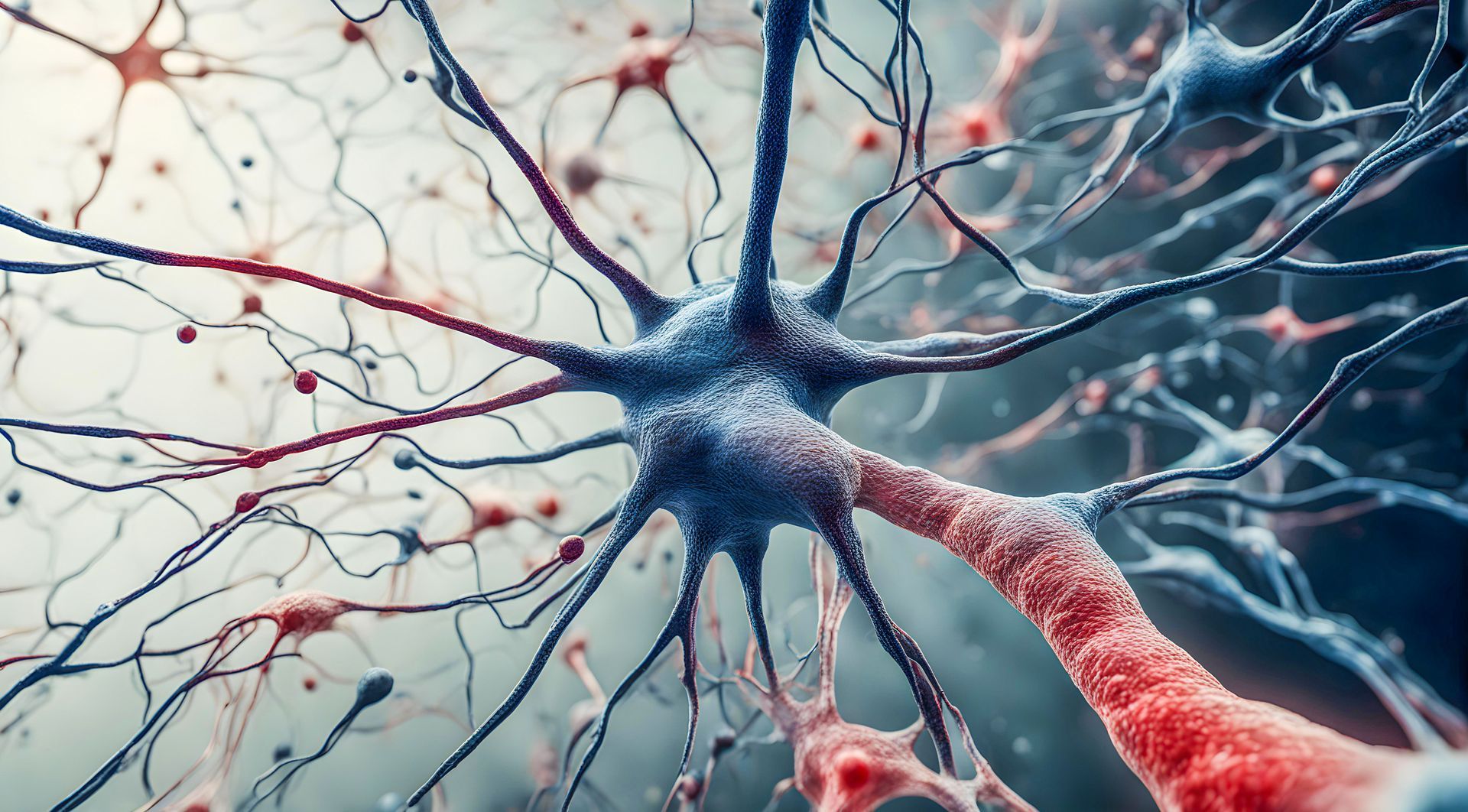
Adrenaline, also called epinephrine, is a hormone your body releases as part of your sympathetic nervous system, the branch of your autonomic nervous system responsible for your fight or flight response. In a well regulated nervous system, adrenaline is released in small, appropriate amounts to help you respond to genuine physical demands or stress.
In POTS, the autonomic nervous system struggles to keep blood pressure stable when you change position or exert yourself. One of the ways your body compensates for this is by releasing extra adrenaline to push your heart rate and blood vessel tone up quickly.
This form of the condition is often referred to as hyperadrenergic POTS, meaning the adrenaline response is a significant driver of your symptoms. Even outside a formal hyperadrenergic diagnosis, adrenaline surges are common across POTS more broadly, particularly when the nervous system is already working hard to compensate for poor circulation.
Why It Can Feel Like It Comes From Nowhere
The tricky part is that these surges do not always follow an obvious trigger. You might be sitting still, not stressed, not exercising, and still feel a sudden wave of shakiness, a racing heart and a sense of dread or unease. This happens because the trigger is often internal rather than external. A small drop in blood pressure, a shift in blood volume, standing up too quickly earlier in the day, dehydration, poor sleep or even a delayed meal can all prompt your nervous system to release adrenaline as a correction, even if you never consciously noticed the trigger itself.
Common symptoms of an adrenaline surge in POTS include:
- Trembling or shaking, particularly in the hands
- A pounding or racing heartbeat
- A sudden rush of heat or flushing
- Sweating that appears out of proportion to the temperature
- A feeling of dread, unease or being on edge
- Nausea
- Difficulty sitting still
- A crash of fatigue once the surge passes
These episodes typically last anywhere from a few minutes to half an hour, and many patients tell me they feel drained or need to rest once the adrenaline clears.
Why This Is Often Mistaken for a Panic Attack
Because adrenaline surges produce many of the same physical sensations as a panic attack, racing heart, trembling, a sense of dread, they are commonly misread, sometimes even by treating doctors who are less familiar with POTS. I have written in detail about this overlap in POTS and anxiety, why they are often confused, and the same principle applies directly here.
The distinction matters because the management approach differs. Anxiety focused strategies alone will not resolve a physiologically driven adrenaline surge, since the root cause is autonomic dysregulation rather than a psychological trigger. That said, because repeated surges are genuinely uncomfortable and unpredictable, it is common for a layer of anticipatory anxiety to build around them over time, particularly the fear of when the next one will hit. Both things can be true at once, and both are worth addressing.
What Can Bring on a Surge
While surges can feel random, certain patterns show up often enough in clinic that they are worth paying attention to:
- Standing up quickly, especially after sitting or lying for a while
- Heat exposure, including hot showers, warm rooms or humid weather
- Skipping meals or going too long between eating
- Dehydration or low salt intake
- Poor or disrupted sleep the night before
- Alcohol or caffeine, particularly on an empty stomach
- Emotional stress, even positive excitement
- Overexertion, similar to what I explain in POTS and exercise, why it feels so hard
Keeping a simple log of what you were doing, eating and how you had slept before a surge can help you and your treating team identify your own specific pattern.
What You Can Do When a Surge Hits
- Sit or lie down if you can. Reducing the demand on your circulation gives your nervous system less to compensate for while the surge settles.
- Focus on slow, steady breathing. Long, slow exhales help activate your parasympathetic nervous system, which works to counterbalance the sympathetic surge.
- Sip cool water. This supports blood volume and can help take the edge off symptoms.
- Avoid fighting the sensation. Reminding yourself that this is a known physiological pattern, not a dangerous event, can reduce the anticipatory anxiety layer that sometimes builds around these episodes.
- Rest afterward rather than pushing through. Many patients feel drained once a surge passes, and allowing genuine recovery time reduces how depleted the rest of your day feels.
How I Approach This as a Neuro Rehab Chiropractor
When a patient describes recurring adrenaline surges, I am looking at how well their autonomic nervous system is regulating overall, including how it responds to postural change, sensory load and physical demand. This includes active stand testing, assessing your heart rate response over time, and looking at how your vestibular and sensorimotor systems are coordinating with your circulatory regulation.
The aim is to improve your nervous system's underlying stability, so it needs to rely on large adrenaline corrections less often. This sits within my broader approach to POTS and dysautonomia care, and it works alongside your GP or cardiologist rather than replacing that care, particularly if medication is already part of your management plan.
If you want the fuller picture of how I build a treatment plan from the first assessment onward, I go through that in
POTS Treatment in Melbourne and Online Australia Wide.
Living in Melbourne With Unpredictable Adrenaline Surges
If you are in Melbourne or the bayside area and these surges have been leaving you feeling unsettled and unsure when the next one will hit, please know this is a recognised part of POTS with a real physiological basis, not something you are imagining or overreacting to. In my Highett clinic, I work with patients experiencing exactly this pattern, building a plan that supports your nervous system's regulation across the whole day.
You do not need a GP referral to book with me, and if you already have specialist reports or a symptom log, please bring them along so we can build on what you already know about your pattern.
Book your initial assessment here and let's start working out how to help your nervous system rely less on these sudden corrections.
Research Articles
Kanjwal K, Karabin B, Kanjwal Y, Grubb B P. Hyperadrenergic Postural Orthostatic Tachycardia Syndrome, Pathophysiology and Clinical Implications. Indian Pacing and Electrophysiology Journal. 2011;11:5 to 8.
Goldstein D S, Sharabi Y. Neurogenic Orthostatic Hypotension, a Pathophysiological Approach. Circulation. 2009;119:139 to 146.
Sheldon R S et al. Heart Rhythm Society Expert Consensus Statement on Postural Tachycardia Syndrome. Heart Rhythm. 2015;12:e41 to e63.
Raj S R. The Postural Tachycardia Syndrome, Pathophysiology, Diagnosis and Management. Indian Pacing and Electrophysiology Journal. 2006;6:84 to 99.
Tired of being told your tests are "normal"?
Your symptoms are real— even when standard tests don’t explain them.
I’m Dr Tony Briggs, a Neuro Rehab Chiropractor in Highett, Melbourne, with 37 years of clinical experience. I work with people experiencing complex balance and nervous-system-related symptoms, including POTS, Dysautonomia, Vertigo, Dizziness and nervous-system dysregulation. My Brain First Approach looks beyond the symptoms to understand how the brain, vestibular system and autonomic nervous system may be contributing to the way you feel, move and function.
If you’ve been searching for answers and don’t know where to turn next, let’s take a different look at your nervous system.
[Book Your Initial Neuro Chiro Assessment]
New client offer:
First two sessions for $300 ·
Claimable on private health
No GP referral needed.
Recent Posts