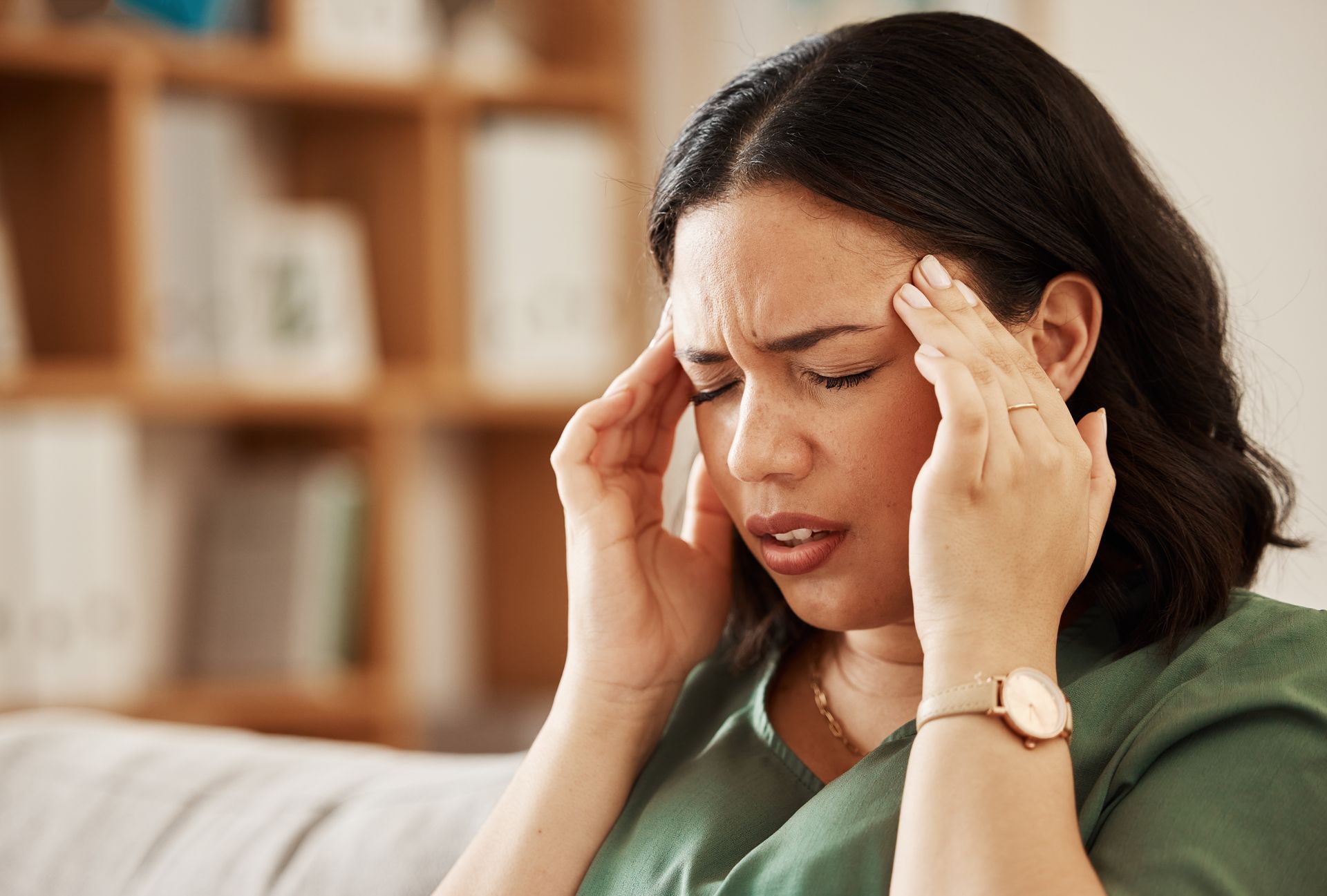
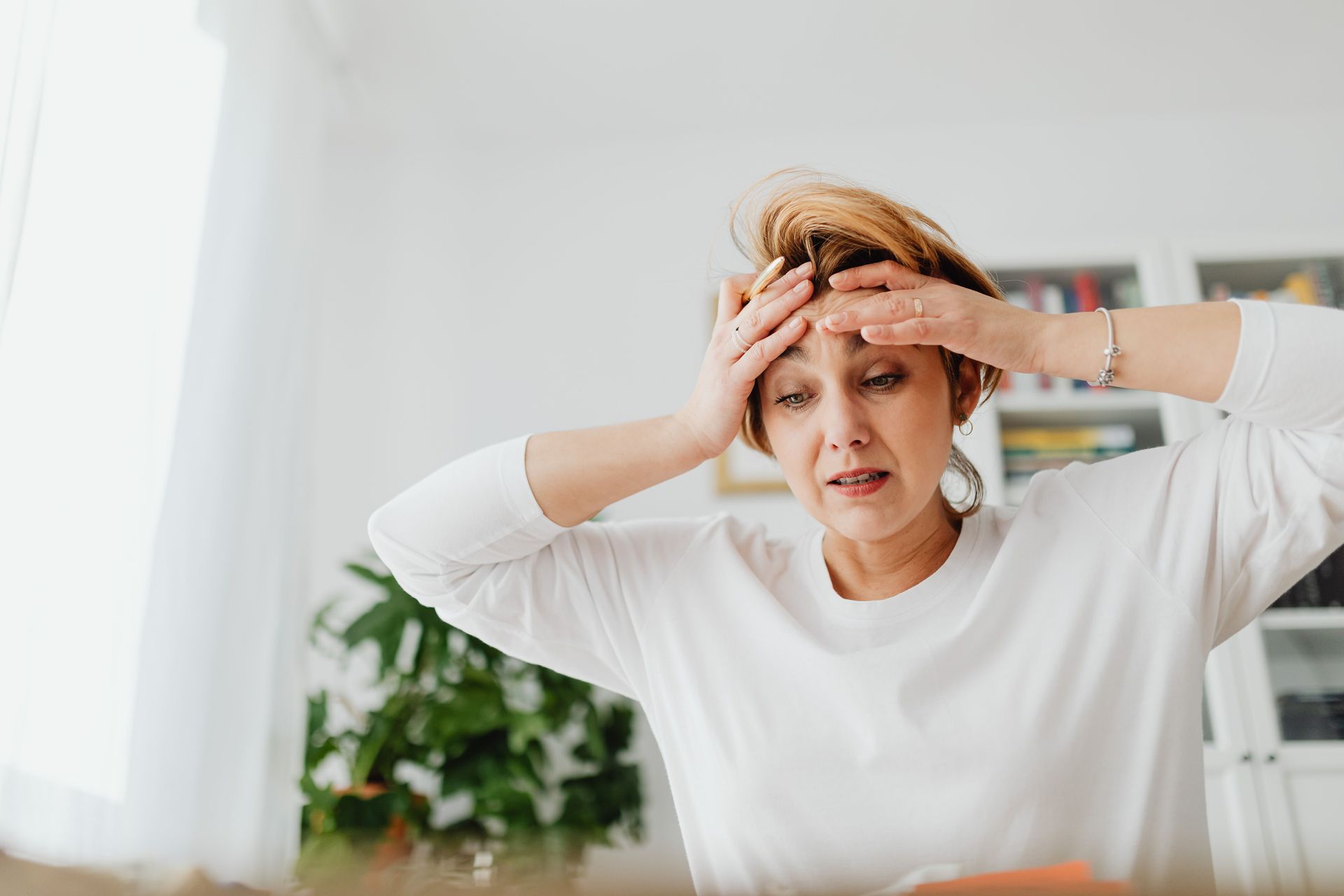
f you have POTS and exercise intolerance, you already know the pattern.
You try to move more. You are told exercise will help. Instead, your heart races, you feel dizzy, your thinking slows, and sometimes you crash later that day.
If you have searched:
Why does exercise make POTS worse
Can I exercise with POTS
Best exercise for POTS
You are asking the right questions.
The issue is rarely motivation. It is regulation.
What Is POTS and Exercise Intolerance
POTS and exercise intolerance occur when the autonomic nervous system struggles to adapt to physical exertion.
Exercise requires coordinated regulation of:
• Heart rate
• Blood pressure
• Vascular tone
• Breathing
• Temperature
• Postural muscle activation
In a well regulated system, these processes adjust smoothly.
In POTS, coordination is inefficient.
Heart rate may increase excessively. Blood flow control may fluctuate. Recovery may be prolonged. Symptoms escalate rather than settle.
This is not simply deconditioning. It is autonomic instability.
Why Does Exercise Make POTS Worse
This is one of the most searched questions related to POTS.
Exercise is a stressor.
Standing upright is already a stressor in POTS because the nervous system must fight gravity to maintain cerebral perfusion.
When you layer exercise on top of orthostatic stress, you increase demand on an already unstable system.
The body must:
• Increase cardiac output
• Constrict blood vessels appropriately
• Coordinate vestibular input
• Maintain oxygen delivery
• Regulate autonomic tone
If regulation is inefficient, the heart rate response becomes exaggerated and recovery is delayed.
The tachycardia is compensatory. The system is trying to protect blood flow to the brain.
The Delayed Crash After Exercise
Many people with POTS describe feeling worse hours later.
That delayed crash is a hallmark of poor autonomic recovery.
In a stable system, sympathetic activation rises during exertion and settles afterwards.
In POTS, sympathetic tone can remain elevated. Parasympathetic recovery may be inefficient.
The result is:
• Fatigue
• Brain fog
• Headache
• Worsened dizziness
• Emotional lability
This is why pacing matters more than intensity.
Can I Exercise With POTS
Yes. Most individuals with POTS can exercise.
The key is progression that matches nervous system capacity.
Avoiding all movement can worsen orthostatic intolerance over time. However, pushing through symptoms reinforces instability.
We aim for structured adaptation.
Best Exercise for POTS
The best exercise for POTS in early stages usually reduces gravitational stress.
This may include:
• Recumbent cycling
• Rowing
• Floor based strengthening
• Supine core work
• Gentle resistance training
Why reclined positions?
Because they reduce orthostatic demand while still allowing cardiovascular and muscular conditioning.
As regulation improves, upright tolerance can be increased gradually.
Sequence matters.
POTS and Strength Training
Strength training is particularly useful because muscle contraction assists venous return.
When leg muscles contract, they help move blood back toward the heart.
However, maximal intensity too early often triggers flare cycles.
Structured, controlled progression builds stability.
The goal is improved coordination, not exhaustion.
Exercise Intolerance After Covid
POTS and exercise intolerance after covid have increased significantly in recent years.
Viral illness can disrupt autonomic regulation. Long covid presentations frequently include orthostatic intolerance and post exertional symptom flare.
If exercise intolerance began after covid, it is not random.
It reflects dysregulation within autonomic and brainstem networks.
Understanding this reduces fear and allows structured progression.
What I Assess Before Guiding Exercise
When someone consults with me in Melbourne or online for POTS and exercise intolerance, I assess regulation first.
I evaluate:
• Orthostatic heart rate response
• Vestibular integration
• Postural reflexes
• Oculomotor control
• Autonomic balance
• Sensorimotor coordination
Exercise tolerance improves when nervous system coordination improves.
If integration between brainstem, cerebellum and vascular control becomes more efficient, the system no longer needs to overcompensate.
Can Exercise Tolerance Improve in POTS
Yes.
The nervous system is adaptive.
With structured progression, personalised pacing and targeted neurological input, many patients experience:
• Improved stamina
• Less post exercise crash
• Greater upright tolerance
• Increased confidence in movement
Improvement comes from precision and consistency.
If you are searching:
POTS and exercise intolerance Melbourne
Best exercise for POTS Melbourne
Exercise intolerance after covid
Dysautonomia exercise Australia
POTS specialist Melbourne
I offer chiropractic neurological consultations focused on improving autonomic regulation and guiding safe progression.
Sessions are available:
• Face to face in Melbourne
• Online across Australia
• Online worldwide
If exercise has felt destabilising or discouraging, there is usually a neurological explanation.
You do not need to navigate progression alone.
If you would like personalised guidance focused on restoring regulation and rebuilding movement tolerance safely, I invite you to book a consultation.
Your system can adapt. It simply needs structured input and progression.
Frequently Asked Questions
Why does exercise make POTS worse
Exercise increases cardiovascular demand. If autonomic regulation is unstable, heart rate and vascular responses become exaggerated, leading to symptom flare.
Can I exercise with POTS
Yes. Structured progression that respects regulation capacity is key.
What is the best exercise for POTS
Early progression often includes reclined or seated exercise before gradual upright training.
Is cardio bad for POTS
Cardio is not inherently harmful, but intensity and progression must match autonomic stability.
Progress varies. Consistency and pacing are more important than speed.
Research Articles
Fu Q, Levine B D. Exercise and Non Pharmacological Management of Postural Orthostatic Tachycardia Syndrome. Autonomic Neuroscience. 2015;188:86 to 89.
Raj S R. Postural Tachycardia Syndrome. Circulation. 2013;127:2336 to 2342.
Arnold A C et al. Postural Tachycardia Syndrome Mechanisms and Management. Journal of the American College of Cardiology. 2018;72:1883 to 1896.
Vernino S et al. Autonomic Disorders. Continuum. 2020;26:44 to 68.
Sheldon R S et al. Heart Rhythm Society Expert Consensus Statement on Postural Tachycardia Syndrome. Heart Rhythm. 2015;12:e41 to e63.