
Why Does My Heart Race After Eating? POTS and Digestion Explained

Anthony Briggs • September 2, 2026

POTS and a Racing Heart After Eating

For some people with POTS, eating can cause heart rate to rise noticeably. That's because digestion naturally increases blood flow to the stomach and intestines. That temporarily affects circulation.


POTS can make it harder for the body to regulate blood flow and heart rate. So this normal digestive response may trigger stronger symptoms.


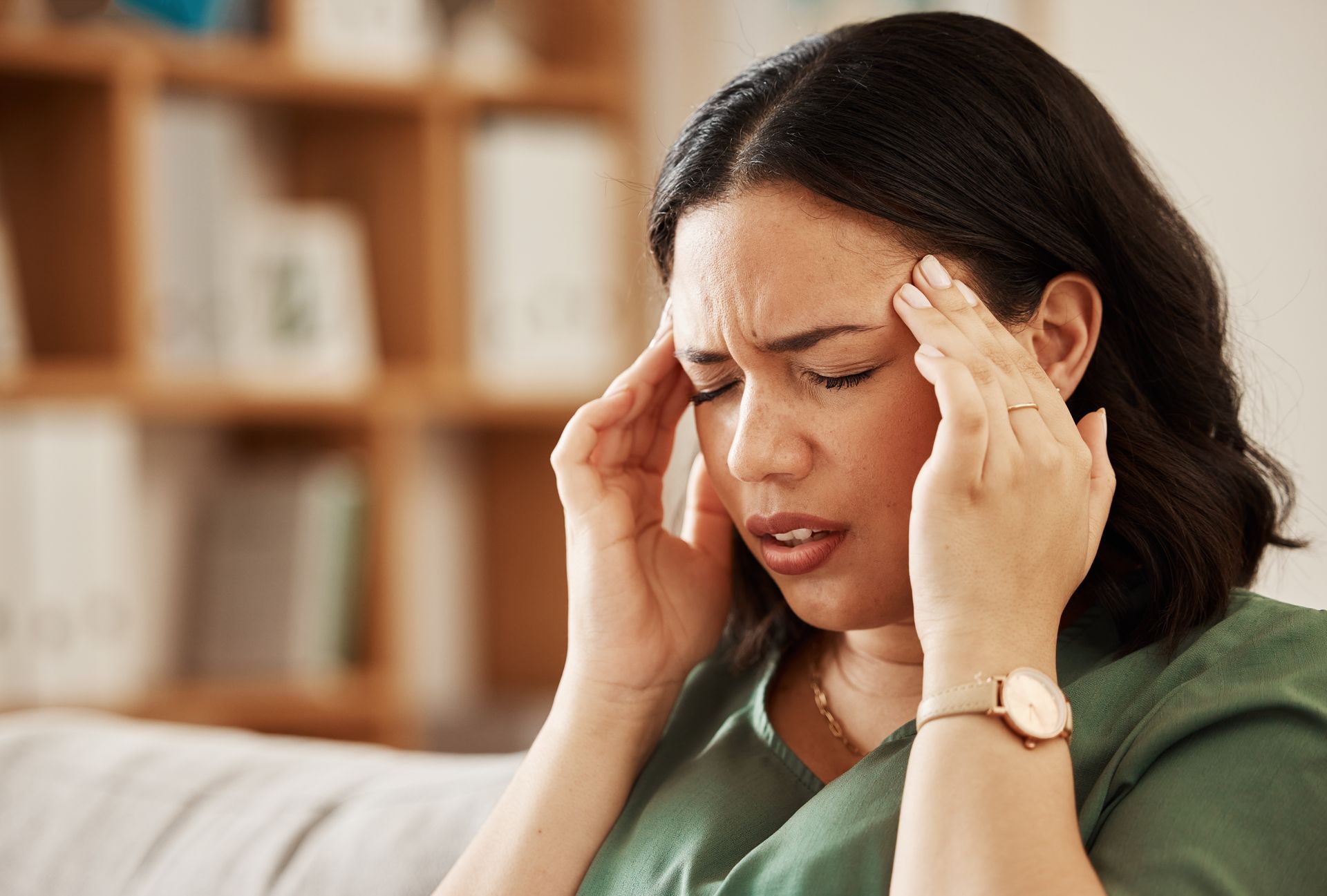
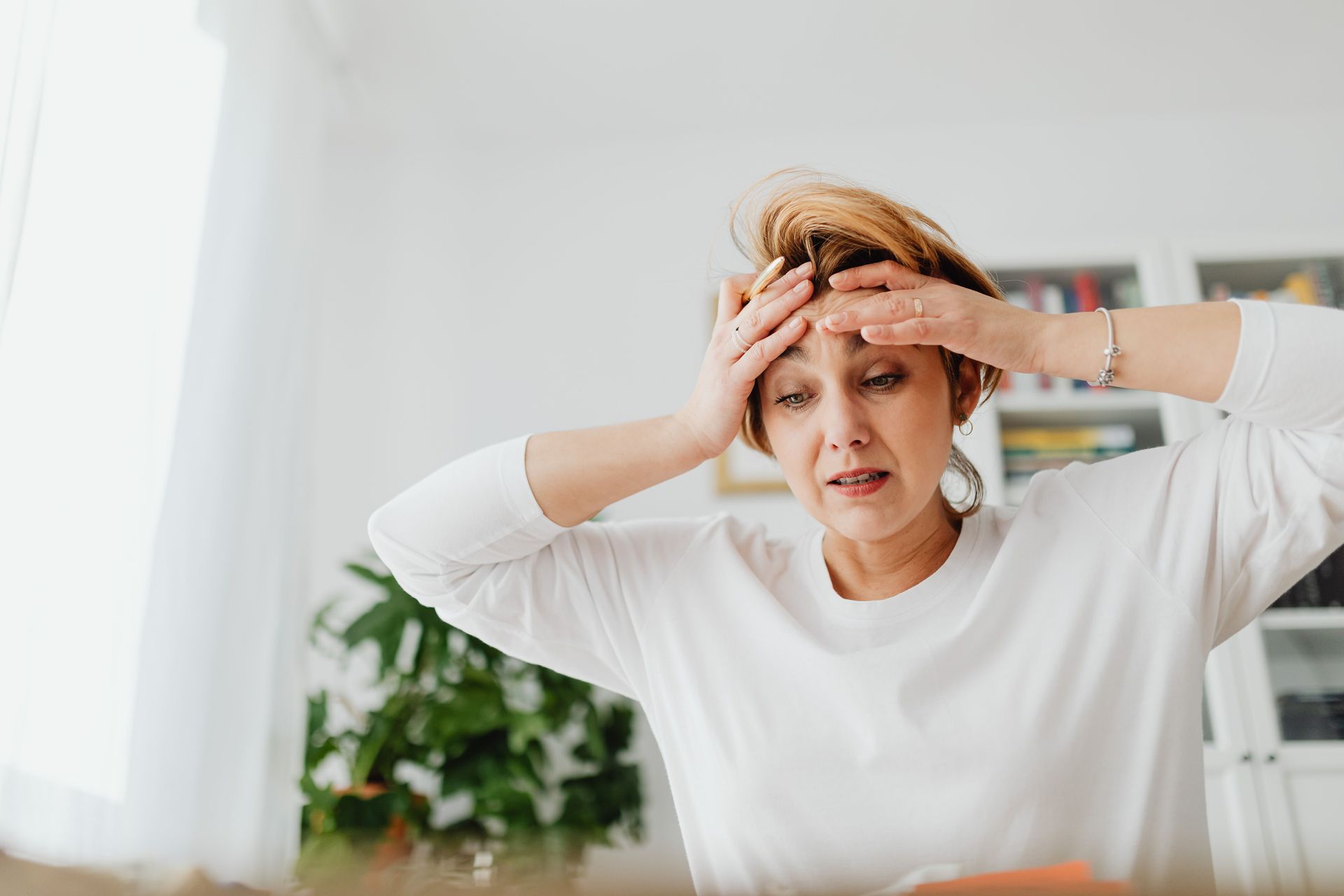
You may notice a racing or pounding heart, lightheadedness, fatigue, or brain fog after a meal.

Which Foods Can Make POTS Symptoms Worse?

Some people with POTS notice that certain foods or meals make their symptoms worse. I have listed these foods below, based on studies and observations.


  • Large meals: Bigger meals can require more blood flow to the digestive system. That may make a racing heart, lightheadedness, or fatigue more noticeable.
  • High-carbohydrate meals: Meals high in carbohydrates may increase blood flow to the digestive tract and contribute to a greater rise in heart rate in some people with POTS.
  • Very sugary foods and drinks: Large amounts of sugar can affect digestion. It may trigger symptoms in some people.
  • Alcohol: Alcohol can widen blood vessels and contribute to dehydration. Dehydration will then decrease your blood volume, which may make POTS symptoms worse.
  • Personal digestive triggers: Foods that cause bloating, nausea, abdominal discomfort, or other digestive symptoms may also make you feel worse overall.

What Can I Do If My Heart Races After Eating?

If eating makes your heart beat faster, you have to make some changes. I suggest the following:


Try Smaller, More Frequent Meals

As I mentioned above, large meals may require more blood flow to the digestive system. That can trigger responses in your body that speed up your heartbeat to send blood back to your heart and brain.


That said, I recommend eating smaller portions and eating more frequently. It may reduce the intensity of this response. You can also take your time while eating instead of having a large meal all at once.


Pay Attention to Fluids and Salt

Staying well hydrated can support blood volume and circulation, which may help with POTS symptoms. Drink enough water after meals.


Some people with POTS are also advised to increase their sodium intake as part of their treatment plan. But please note that higher salt or fluid intake is not appropriate for everyone.


Follow your healthcare professional's advice, especially if you have another condition that affects how much fluid or sodium you should consume.


Stay Upright and Take It Easy After Meals

Your position and activity level after eating may affect how you feel. Some people find that staying upright and avoiding sudden changes in position helps them manage symptoms.


If you regularly feel lightheaded or your heart rate rises significantly after meals, give yourself time to rest. Do not immediately do strenuous activity. Listen to your body and avoid activities that consistently make your symptoms worse.


Keep a Food and Symptom Log

A simple food and symptom log can help you spot patterns. You can use a notebook or a notepad app. Record things such as:


  • what you ate
  • the approximate portion size
  • how much you drank
  • when you ate
  • your heart rate
  • any symptoms that followed.


Over time, this may help you identify potential triggers and avoid them in the future. It can also give your healthcare professional more useful information when discussing your POTS symptoms.

POTS Support in Melbourne and Online

If you are searching:


POTS and digestion Melbourne

Heart racing after eating POTS

POTS after meals

POTS and food triggers

Dysautonomia Melbourne


I offer chiropractic neurological consultations:


• Face-to-face in Melbourne

• Online across Australia

• Online worldwide


If your heart races after eating or you are struggling to understand your POTS symptoms, I invite you to book a consultation.


Your symptoms are real. Understanding how your nervous system responds to changes in posture, digestion, and circulation can be an important part of finding the right support.

Frequently Asked Questions

How long does a racing heart last after eating with POTS?

The duration can vary. Some people notice their heart rate settle within a short time, while others may experience symptoms for longer. The size and type of meal, hydration, activity, and individual POTS symptoms can all play a role.


Does heart rate always increase after eating with POTS?

No. A faster heart rate after eating is not experienced by everyone with POTS, and the response can vary from one meal to another. Some people may notice symptoms only after certain foods or larger meals.


When should I see a doctor about a racing heart after eating?

Talk to a healthcare professional if your symptoms are frequent, severe, new, or getting worse. Seek urgent medical attention for symptoms such as chest pain, fainting, severe shortness of breath, or a sustained or irregular heartbeat.

Research Articles

Shibao C, Okamoto LE, Shelton R, et al. Do meals affect heart rate and symptoms in postural orthostatic tachycardia syndrome? Clinical Autonomic Research. 2022;32:13-19. 


Khurana RK, Setty A. Gastrointestinal Symptoms in Postural Tachycardia Syndrome: A Systematic Review. Clinical Autonomic Research. 2018;28:511-518. 


DiBaise JK, Harris LA, Goodman B. Postural Tachycardia Syndrome (POTS) and the GI Tract: A Primer for the Gastroenterologist. American Journal of Gastroenterology. 2018;113(10):1458-1467. 


Kulin D, Shah A, Fairlie T, et al. Gastrointestinal Symptoms and Systemic Comorbidities in Patients With POTS: A Systematic Review and Meta-Analysis. Neurogastroenterology & Motility. 2026;38(4):e70305.

Tired of being told your tests are "normal"?
Your symptoms are real— even when standard tests don’t explain them.


I’m Dr Tony Briggs, a Neuro Rehab Chiropractor in Highett, Melbourne, with 37 years of clinical experience. I work with people experiencing complex balance and nervous-system-related symptoms, including POTS,  Dysautonomia, Vertigo, Dizziness and nervous-system dysregulation. My Brain First Approach looks beyond the symptoms to understand how the brain, vestibular system and autonomic nervous system may be contributing to the way you feel, move and function.


If you’ve been searching for answers and don’t know where to turn next, let’s take a different look at your nervous system.


[Book Your Initial Neuro Chiro Assessment]


New client offer: First two sessions for $300 · Claimable on private health

No GP referral needed.

Share this article

Recent Posts

pots symptoms
By Anthony Briggs September 2, 2026
Learn why POTS can cause blurry or changing vision when standing up, how orthostatic symptoms may affect visual function, and when to seek medical advice.
By Anthony Briggs August 31, 2026
Why Can't I Think Clearly? Understanding Brain Fog in POTS and Dysautonomia
POTS and hormones
August 30, 2026
Why do POTS symptoms flare around your period? Learn how hormonal changes may influence heart rate, blood flow and orthostatic symptoms, and how Neuro Chiropractic may support rehabilitation.
By Anthony Briggs February 16, 2026
Understanding Exercise Intolerance in POTS
By Anthony Briggs February 16, 2026
Understanding the Nervous System
By Anthony Briggs February 10, 2026
Understanding What Your Body Is Telling You
By Anthony Briggs February 2, 2026
A POTS Neurological Functional Approach with Dr Tony Briggs
By Anthony Briggs February 16, 2026
POTS After Covid
By Anthony Briggs January 19, 2026
Understanding the Nervous System Difference 
Chiropractor adjusting a patient's back. Red laser lines show spine alignment.
By Anthony Briggs December 25, 2025
Learn how advanced LASER therapy supports pain relief nerve healing balance recovery and faster tissue repair when integrated with chiropractic and neurological care.
Show More