


vestibular MIGRAINE & HEADACHE neuro chiropractor in melbourne
Find what's driving your migraines and dizziness, starting with a full neurological assessment
No GP referral · Claim on private health · Free parking





Is this you?
- Migraines that keep coming back, no matter what you try
- Dizziness, spinning or unsteadiness with or between attacks
- Headaches that start at the base of your skull or behind your eyes
- Light, noise, screens or busy places setting off symptoms
- Brain fog and exhaustion for days after an attack
- You've tried medication, physio and trigger diaries but still don't feel in control
If this sounds familiar, you're in the right place.

Migraine is a nervous system problem, not just a bad headache
Migraine is around three times more common in women than men, and it can quietly take over your life. You cancel plans, avoid bright or busy places, and plan your week around the next attack.
A migraine involves your whole nervous system, not just head pain. When your brain struggles to combine signals from your inner ear, your eyes and your neck, your nervous system becomes more sensitive, and the threshold for an attack can drop. That's why migraines often bring dizziness, nausea, light sensitivity and brain fog, and why treating the pain alone often isn't enough.
My approach looks at how these systems are working together, so your care targets what's contributing to your attacks, not just the pain once it arrives.

Why chose Dr Tony Briggs Neuro Chiropractor to help with Vestibular migraines and Headaches
- 37+ years Clinical Experience
- Holistic Chiropractor
- Functional Neuro Rehabilitation Chiropractor (FNOR)
- Certified Lifestyle Medicine Professional
- Critical Care Nurse
- Member of the Australian Chiropractic Association
How my Brain First Approach™ works for migraines
Migraines are rarely caused by one thing. I assess the key areas that can contribute together: your upper neck, brainstem, inner ear (vestibular system) and eye movements. The aim is to see where communication is breaking down and what your nervous system is compensating for.
Your care may then combine:
- Chiropractic care to improve movement and input from your upper neck.
- My Balance Reset Method™ to retrain how your brain combines signals from your inner ear, eyes and body.
- Medical laser therapy to help reduce pain and inflammation
- Personalised home exercises so you keep progressing between visits
I recheck your progress at every visit, so your plan adapts to how you're responding.
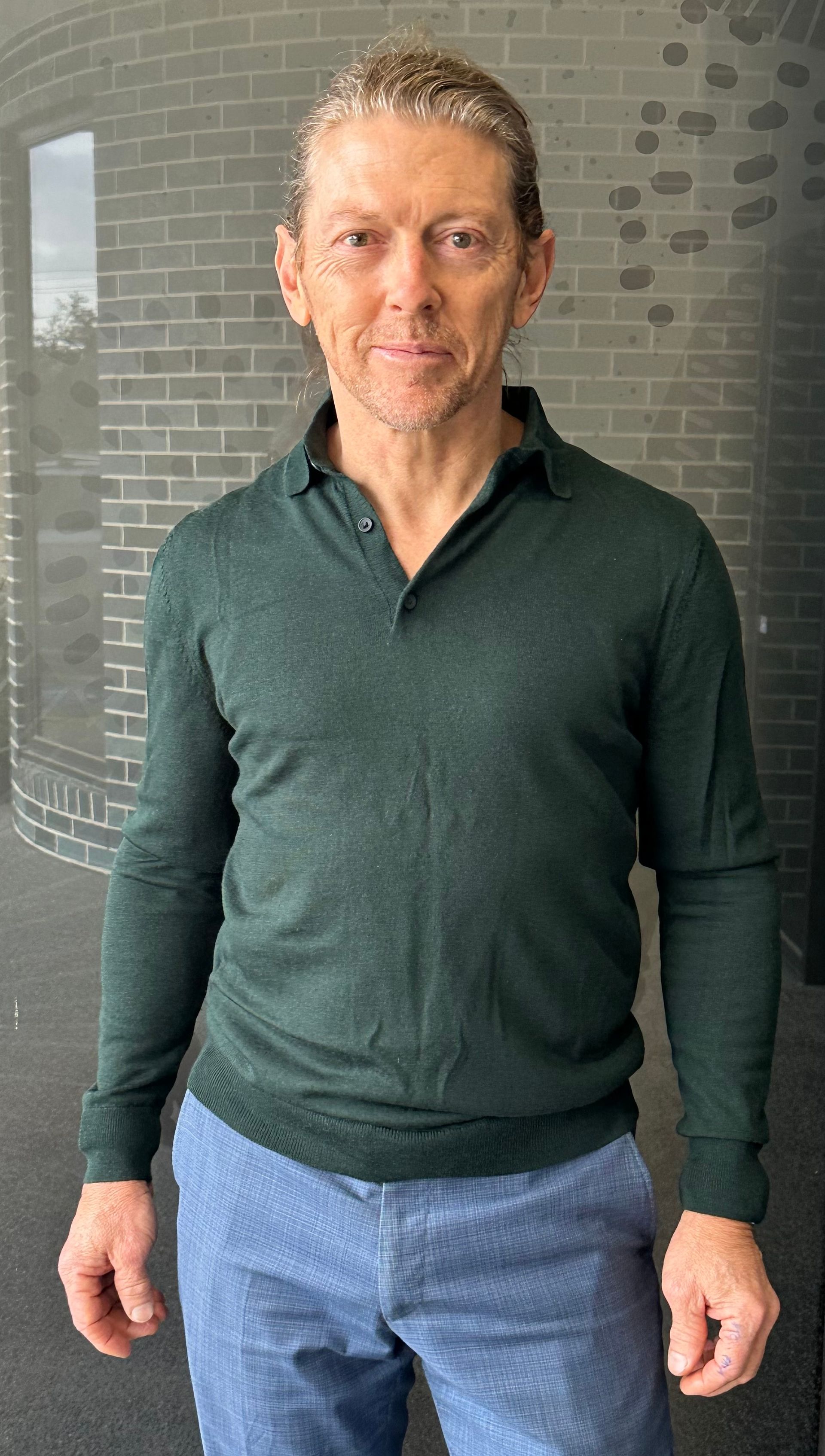
No guessing. A real assessment. A clear plan.
What to expect from your first Migraines Neuro Chiropractic Appointment
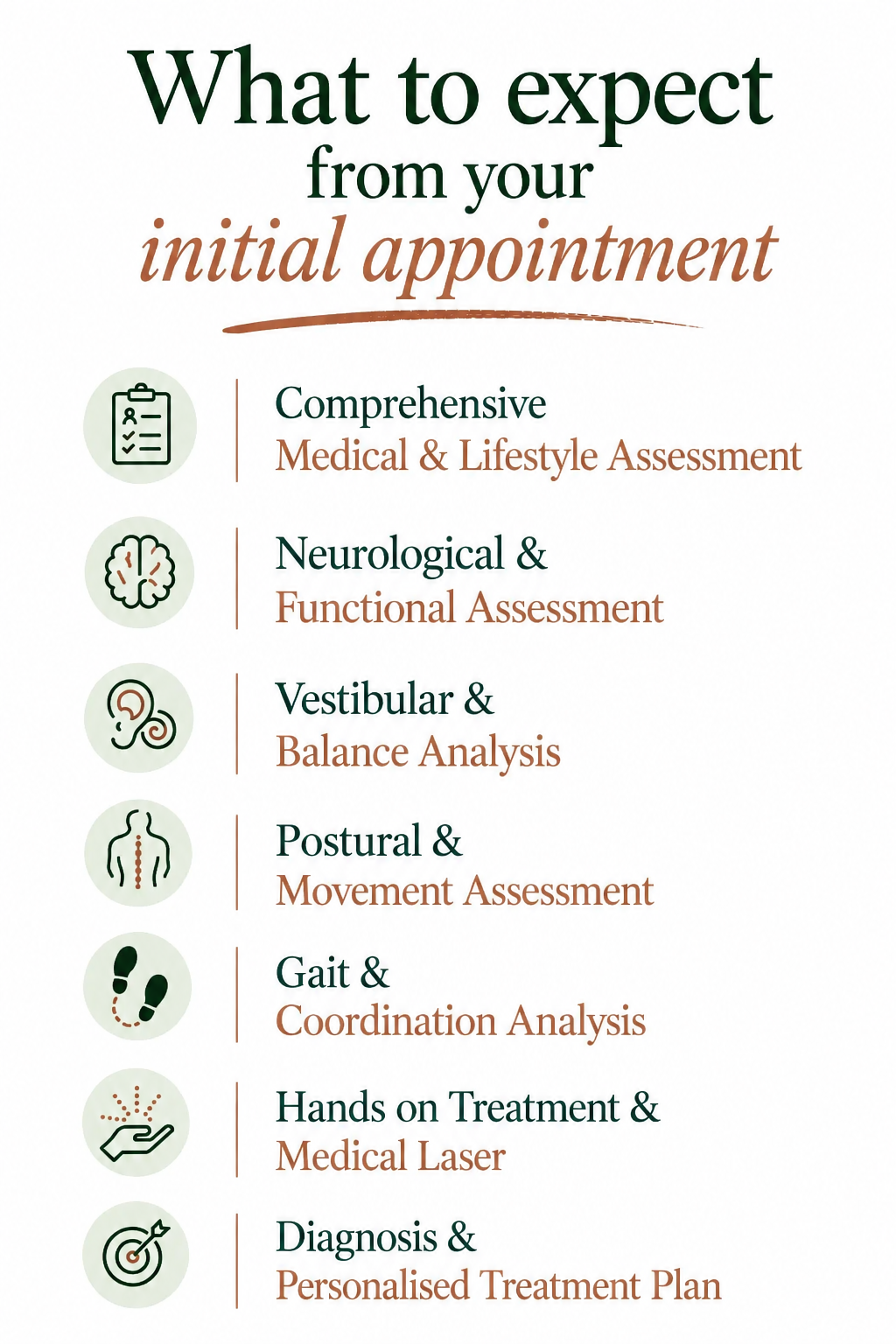
Your first appointment runs 60–75 minutes. I'll take time to understand your migraine history, your triggers, how often attacks happen and what you've already tried. Then I'll complete a full neurological assessment, which may include:
- Upper neck movement and posture assessment
- Eye movement and visual tracking tests
- Inner ear (vestibular) and balance testing
- A neurological screen, including reflexes and coordination
Everything is paced to how you're feeling. If light or movement testing starts to bring on symptoms, we slow down or take a break, and nothing is done without explaining it first.
You'll leave with a clear explanation of what I found, a personalised plan and a realistic idea of what to expect. Where appropriate, treatment can start the same day.
What to bring: A headache or migraine diary if you keep one, any scans or specialist letters, a list of your medications and comfortable clothing.
No guessing. A real assessment. A clear plan.
Benefits using Neuro Chiropractic and my Balance Reset Method for Vestibular Migraines and Headaches
When your brain processes signals from your neck, eyes and inner ear more accurately, your nervous system has less to compensate for. Everyone responds differently.
With the right care, you may:
✓ Have fewer or less intense migraine days
✓ Feel less dizzy or unsteady with your headaches
✓ Tolerate screens, light and busy places more easily
✓ Recover faster, with less brain fog after an attack
✓ Have less neck pain and tension
✓ Feel more confident planning your week
✓ Get back to work, exercise and the things you enjoy
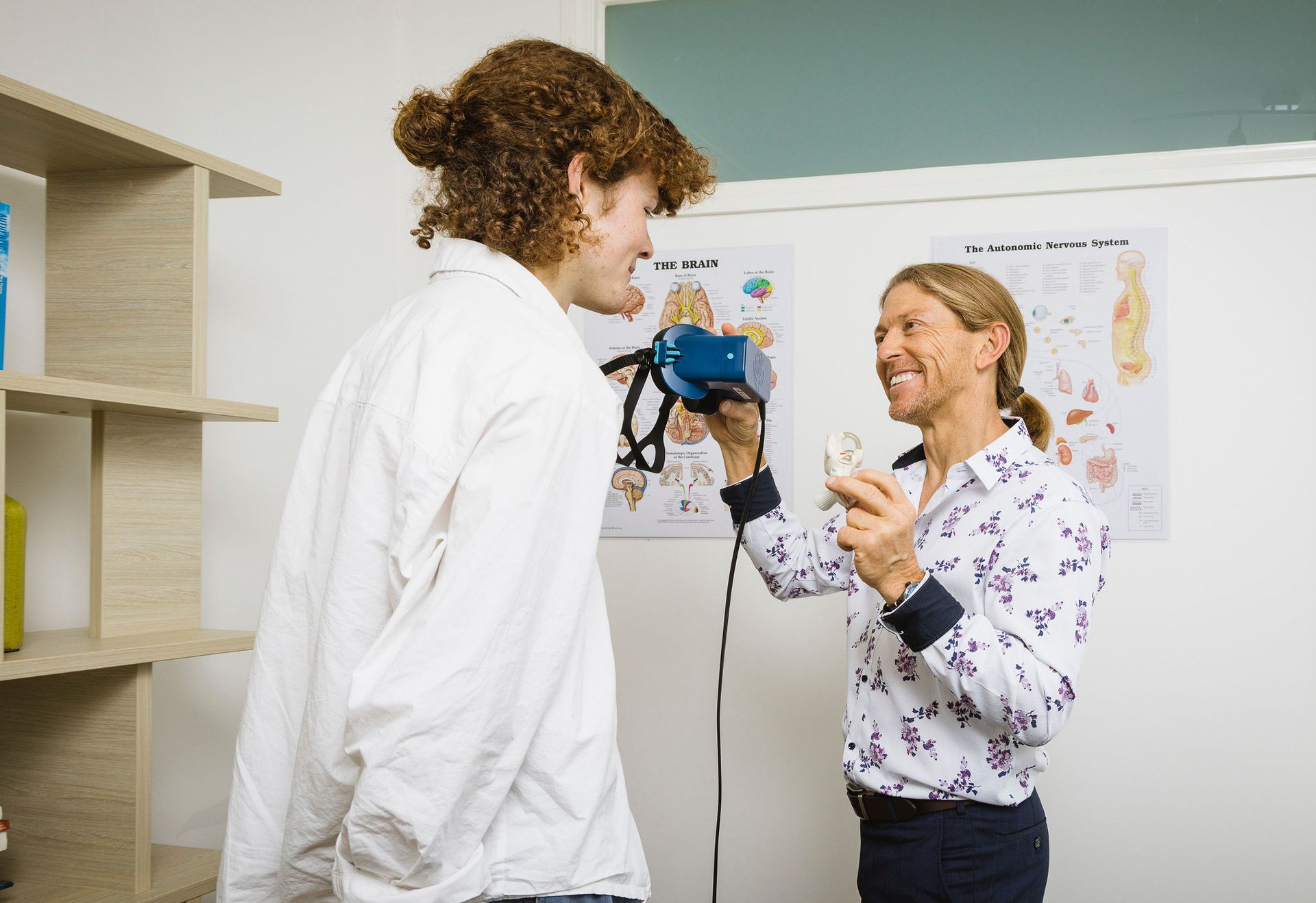
Medical Laser Therapy may be used alongside chiropractic and functional neurology care to help reduce pain and inflammation and support tissue recovery. This can be useful for people whose migraines come with neck pain and tension.
Migraine & Headaches
Causes
- Upper cervical spine dysfunction referring pain into the head and disrupting neurological input to the brainstem
- Brainstem sensitisation causing a lowered threshold for migraine attacks
- Vestibular system dysfunction contributing to dizziness, aura and motion sensitivity
- Autonomic nervous system dysregulation driving sensitivity to light, sound and stress
- Visual system stress from poor eye movement control increasing neurological load
- Hormonal changes, particularly fluctuations in oestrogen around menstruation
- Sleep disruption lowering neurological resilience and increasing attack frequency
- Previous head or neck injury leaving lasting neurological changes that drive chronic headache patterns
Migraine & Headaches Symptoms
- Throbbing or pulsing head pain, typically one sided, often behind the eye or temple, worsening with movement or exertion
- Pain at the base of the skull
- Aura including visual disturbances, blind spots, zigzag lines or tingling in the face and hands
- Nausea and vomiting
- Sensitivity to light and sound
- Dizziness and balance disturbance
- Brain fog, slow thinking and fatigue that persists after the headache resolves
- Neck pain and stiffness
- Symptoms that worsen with screens or reading
Migraine & Headaches Common Questions
What is the difference between a migraine and a headache?
A headache refers to pain anywhere in the head or neck region. There are many types — tension headaches, cervicogenic headaches originating from the neck, cluster headaches, and more. Most are driven by a combination of muscular, structural, and neurological factors.
A migraine is a neurological condition — not simply a bad headache. It involves a cascade of neurological events including brainstem activation, cortical spreading depression, and autonomic nervous system disruption. This is why migraines often come with nausea, visual disturbances, light and sound sensitivity, and debilitating fatigue that can last hours or days.
Both conditions respond well to a Neuro Rehabilitation Chiropractic approach because both have neurological drivers that can be assessed and treated directly.
How does a Neuro Rehabilitation Chiropractor treat migraines and headaches?
The approach starts with a thorough neurological assessment covering brainstem integration, upper cervical spine mechanics, vestibular pathways, visual system, and autonomic nervous system function — all evaluated together, not in isolation.
Once the neurological drivers are identified, treatment addresses them directly through three integrated modalities:
Functional Neurology Rehabilitation — retrains how the brain processes and integrates sensory information, reducing the neurological sensitivity that drives attacks
Chiropractic care — restores mechanical function and neurological input from the upper cervical spine
Medical Laser Therapy — reduces inflammation and supports tissue recovery in affected structures
Between sessions, a personalised programme of neurological rehabilitation exercises keeps the nervous system progressing at home.
Why do my migraines and headaches keep coming back?
Most standard treatment focuses on managing symptoms — painkillers, triptans, physio for the neck, lifestyle advice around triggers. These approaches can provide temporary relief but they rarely identify the full neurological picture.
If your migraines or headaches keep returning despite treatment, the underlying cause has not been found. The nervous system is still receiving inaccurate or disrupted input — from the upper cervical spine, the vestibular system, the visual system, or the brainstem — and continuing to generate symptoms as a result.
Addressing the neurological drivers directly, rather than managing symptoms each time they appear, is what produces lasting change.
Is this chiropractic approach suitable if I feel easily overwhelmed or fatigued?
Yes. Care is carefully paced and adapted to individual tolerance. Sessions are designed to support regulation without pushing the system into overload or symptom flares.
Why hasn't my migraine treatment worked so far?
Standard migraine and headache management focuses on one cause at a time — medication for pain, physio for the neck, lifestyle changes for triggers. These can help in the short term but they do not address the full neurological picture.
Migraines and chronic headaches are rarely driven by a single factor. When the vestibular system, visual pathways, upper cervical spine, and brainstem are all contributing — and none of them have been properly assessed together — no single treatment will resolve the pattern. This is where a complete Functional Neurology assessment changes outcomes for patients who have not improved with other approaches.
Do I need to stop exercising or weight training if I have a Migraine or Headache?
No. Care does not require stopping exercise unless medically indicated. The focus is on improving nervous system regulation so tolerance to movement, posture and activity can gradually improve without triggering a headache or migraine.
How long does it take for chronic headaches or migraines to improve?
This varies between individuals. Some people notice early changes in clarity or tolerance, while others experience more gradual improvements as nervous system regulation and capacity build over time
Can this treatment support chronic fatigue alongside headaches and migraines?
Typically yes, there are common overlaps with headaches and migraines and dysautonomia, chronic fatigue and balance disorders. A Brain First Approach™ is designed to support nervous system regulation across these interconnected conditions.
Can a neck problem really cause migraines?
Yes — and this is one of the most commonly missed connections in migraine management. The upper cervical spine feeds directly into the brainstem via proprioceptive and sensory pathways. When these joints are restricted, irritated, or sending inaccurate signals, the brainstem receives disrupted input and can trigger or sustain migraine activity.
This is known as a cervicogenic component to migraine. Many people with chronic migraines have a significant cervical spine contribution that has never been properly assessed or treated. Restoring accurate mechanical and neurological input from the upper cervical spine is a central part of the Brain First Approach™.
Can I claim back on private health?
Yes, chiropractic care is covered by most extras policies including Medibank, BUPA, HCF, NIB and AHM. I process health fund claims on the spot. Rebate amounts vary by policy — worth checking with your fund before booking.
Why do I feel dizzy or off-balance with my migraines?
Dizziness and balance disturbance during or between migraines are hallmarks of vestibular migraine — a condition where the migraine process disrupts the vestibular system responsible for spatial awareness and balance. It is frequently misdiagnosed as an inner ear problem or labyrinthitis.
The vestibular system is one of the key systems assessed in a Neuro Rehabilitation Chiropractic evaluation. When vestibular pathways are not integrating accurately with input from the eyes and upper cervical spine, dizziness and balance symptoms persist — and can be directly addressed through Functional Neurology Rehabilitation.
Why do I get brain fog and fatigue after a migraine?
The post-migraine phase — sometimes called the migraine hangover — reflects the nervous system recovering from a significant neurological event. The brain has been under sustained stress, neurological pathways have been overloaded, and the autonomic nervous system is working to restore balance.
Brain fog, fatigue, difficulty concentrating, and a general feeling of exhaustion after an attack are not separate problems — they are part of the same neurological picture. Improving how the nervous system regulates and recovers is a core focus of the Brain First Approach™.
Can Chiropractic care help if my migraines started after a head or neck injury?
Yes — and post-traumatic headache and migraine is one of the most common presentations seen at this practice. Concussion, whiplash, and head or neck trauma can leave lasting neurological changes that drive chronic headache patterns long after the original injury has healed on imaging.
The Brain First Approach™ is well suited to post-traumatic headache because it assesses and treats the neurological disruption caused by the injury directly — not just the pain. Early care produces better outcomes, but this approach is effective even years after the original injury.
Can I continue taking my migraine medication during treatment?
Yes. Chiropractic and Functional Neurology Rehabilitation care works alongside your existing medication — it does not replace it. Any decisions about changing or reducing medication should always be made in consultation with your GP or specialist.
As neurological function improves and attack frequency reduces, many patients find over time that they rely on medication less. But that is a natural outcome of the nervous system recovering, not something that is directed or managed within this practice.
Who is this approach suitable for?
This approach may be suitable if you:
- Experience frequent migraines or chronic headaches
- Have tried medication, physio, or other treatments without lasting relief
- Notice headaches triggered by light, noise, movement, or screen time
- Suffer from headaches beginning at the base of the skull or behind the eyes
- Experience dizziness or balance problems alongside your headaches
- Have migraines or headaches that began or worsened after a head or neck injury
- Have been told there is nothing structurally wrong, yet the pain continues
No GP referral is required to book an appointment.
Visit Dr. Tony Briggs for Neuro Rehab Chiropractic Care
Clinic Hours
Tuesday: 8 AM - 7 PM
Friday: 8 AM - 7 PM
Saturday: 9 AM - 1 PM
5 Beaumaris Parade, Highett, VIC, AUS
Free parking on site
Easy to reach from Brighton, Sandringham, Cheltenham, Mentone, Hampton and Moorabbin.
You've managed your migraines long enough. Let's find out what's driving them.