


POTS NEURO REHAB CHIROPRACTOR MELBOURNE
Restore Your Balance, Energy & Confidence
Stand and walk with confidence, think clearer and feel more energised with a personalised POTS Neuro Rehab treatment plan.




Is this you?
- Dizzy every time you stand up
- Constant fatigue that doesn't improve with rest
- Brain fog affecting work and study
- Racing heart for no obvious reason
- Feeling anxious because you never know when symptoms will flare
- You have tried medications, fluids and compression garments but still don't feel normal
You want to feel steadier, clearer, more energetic and confident in your body again.
That is what we work towards together.

Why POTS makes you feel this way
Your autonomic nervous system regulates heart rate, blood pressure and circulation to keep your body stable when you stand and move.
With POTS, this regulation is disrupted, causing blood to pool in the lower body and your heart rate to rise to maintain circulation.This can leave you feeling dizzy, exhausted, foggy, weak and unable to tolerate activity.
POTS can involve different mechanisms, including reduced blood volume, altered blood vessel constriction, autonomic nerve dysfunction and increased sympathetic activity.
Understanding what is driving your POTS is where my approach begins.
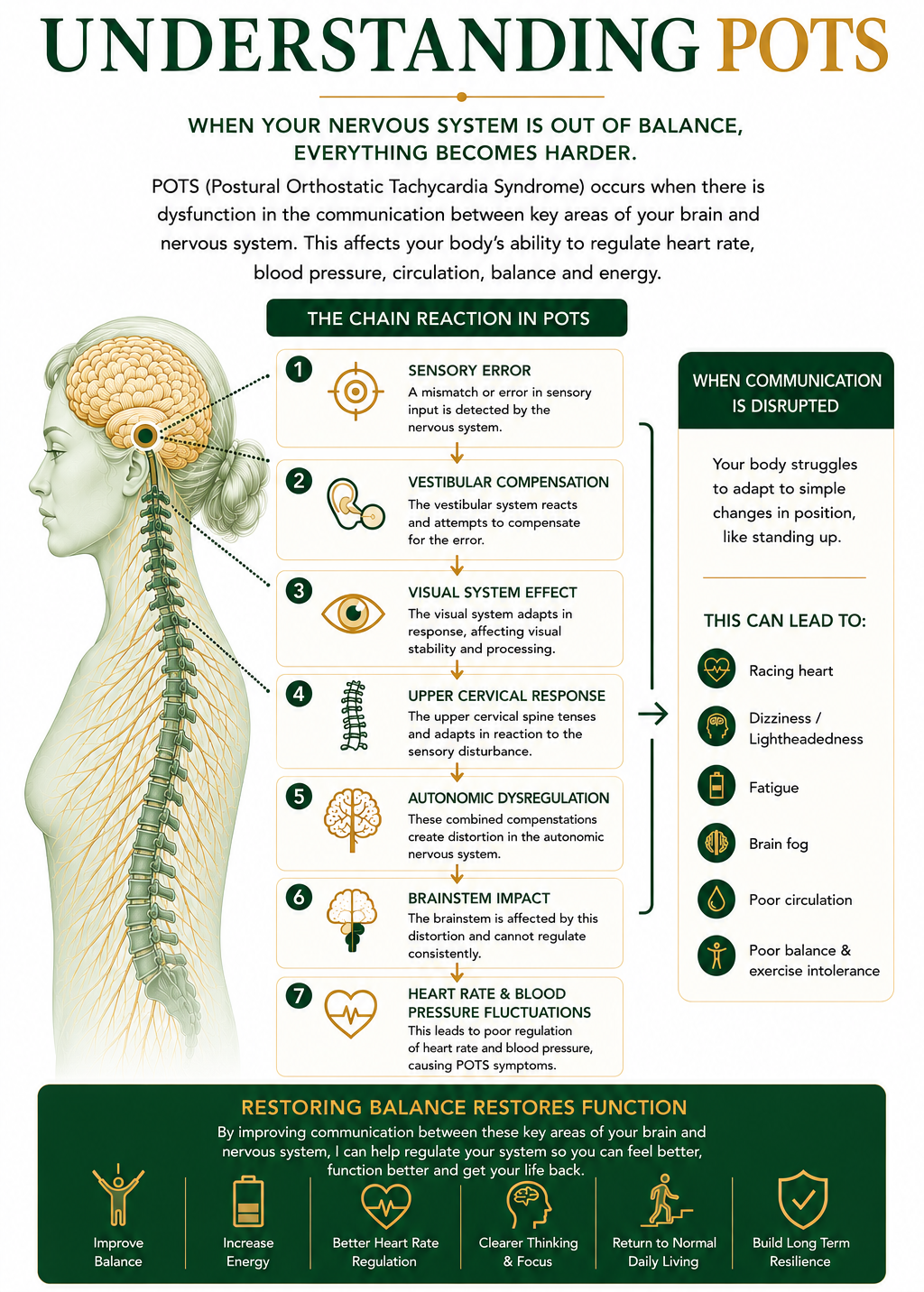
Why chose Dr Tony Briggs Neuro Chiropractor to help with POTS
- 37+ years Clinical Experience
- Holistic Chiropractor
- Functional Neuro Rehabilitation Chiropractor (FNOR)
- Certified Lifestyle Medicine Professional
- Critical Care Nurse
- Member of the Australian Chiropractic Association
Why My Approach Gets Lasting Results for POTS
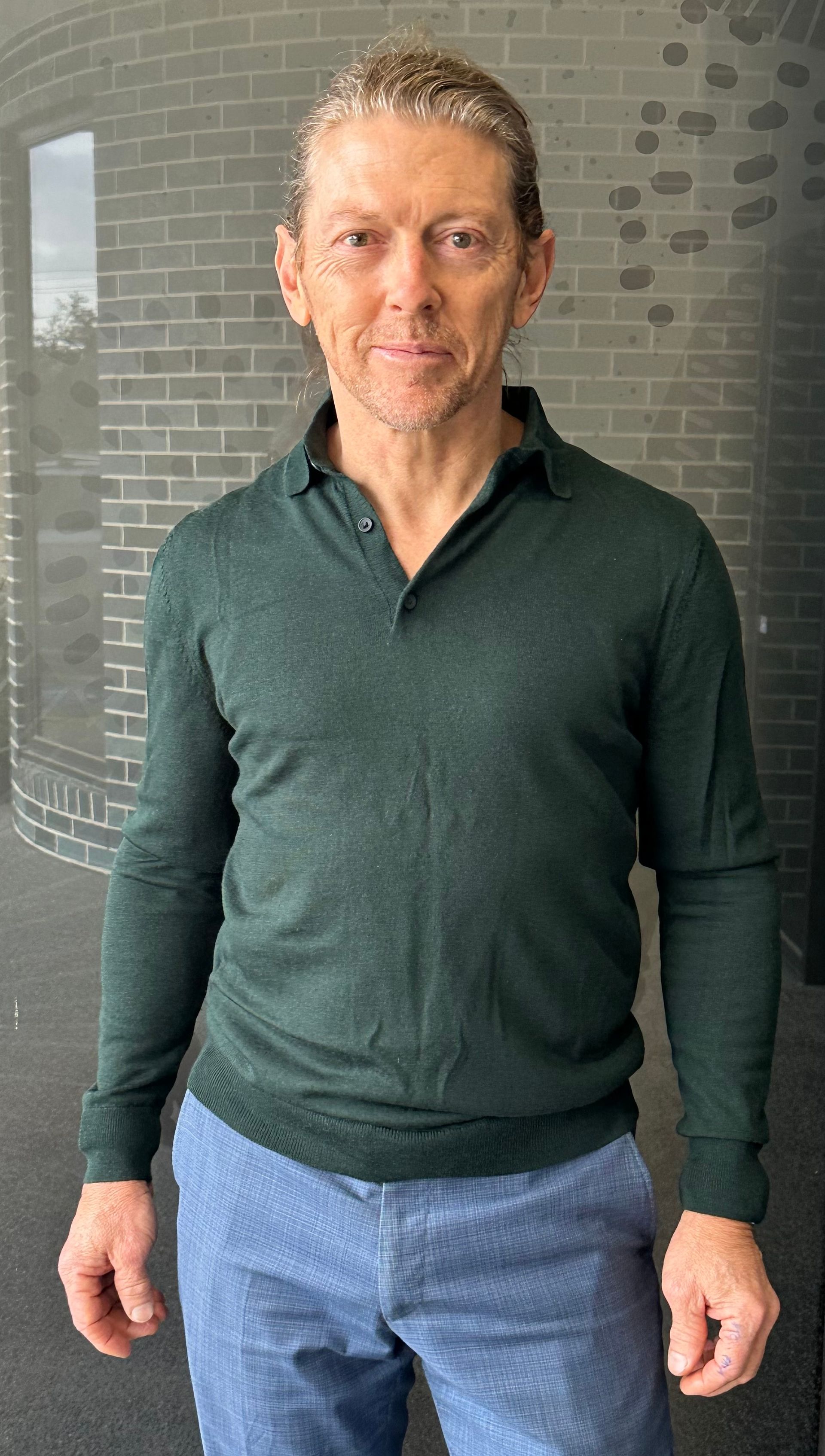
To improve POTS, you need to address where the problem often begins, your brain stem, upper cervical spine, vestibular system and visual system. When communication between these areas is disrupted, your nervous system cannot regulate properly, contributing to many of the symptoms you experience.
My Balance Reset Method is designed to restore communication between these key areas of your brain and nervous system. As this communication improves, you can experience better balance, increased energy, improved circulation and greater day to day function.
Your treatment includes a personalised blend of Chiropractic, Functional Neurology, Medical Laser, Lifestyle Modification and Personalised Home Exercises to retrain and support your nervous system for optimal recovery.
No guessing. A real assessment. A clear plan.
What to expect from your first POTS Neuro Chiropractic Appointment
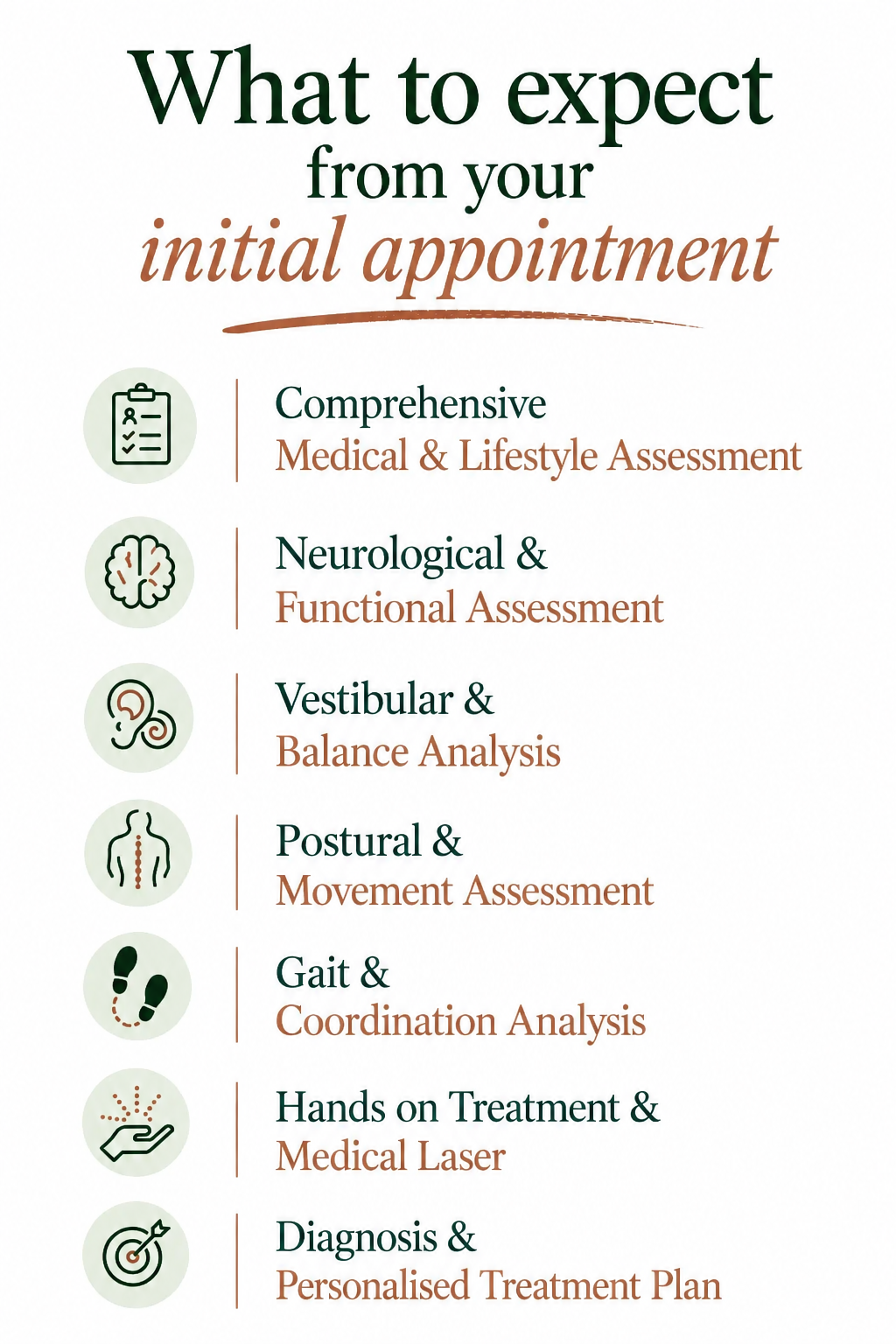
Your first appointment is 60 to 75 minutes, giving me the time to understand your symptoms, health history and how POTS is affecting your everyday life.
I complete a detailed neurological assessment looking at your balance, eye movements, coordination, posture, movement and how your nervous system responds to changes in position and activity to identify where your brain and body are struggling to communicate effectively.
You’ll leave with a clear understanding of what I’ve found, what we’ll work on and your personalised treatment plan, including your next steps and what to expect from treatment.
I recommend allowing 6 to 8 sessions to start seeing meaningful results, giving your nervous system the consistency it needs to respond, adapt and change.
Clear, practical and realistic is how I work.
No guessing. A real assessment. A clear plan.
Benefits using Neuro Chiropractic and my Balance Reset Method for POTS
Using Neuro Chiropractic Care and my personalised Balance Reset Method you can regulate and integrate your nervous system better and faster so you can:
✓ Stand with less dizziness and light headedness
✓ Experience fewer heart rate and blood pressure fluctuations
✓ Improve your balance and confidence when walking
✓ Feel more energetic throughout the day
✓ Think more clearly with less brain fog
✓ Improve your concentration and memory
✓ Increase your exercise tolerance
✓ Sleep better and wake feeling more refreshed
✓ Regain confidence in your body and feel calmer
✓ Return to work, study, exercise and the activities you enjoy
✓ Feel more like yourself again

Heal Faster & Recover Better with Medical LASER Therapy
Medical LASER Therapy
may be used alongside Functional Neurological and Chiropractic Care to support tissue health, circulation, inflammation reduction and nervous system recovery. This can be particularly supportive for people with POTS who experience pain, fatigue or slow recovery from activity.
POTS Symptoms
- Racing heart on standing
- Dizziness and lightheadedness
- Brain fog and poor concentration
- Crushing fatigue
- Exercise intolerance
- Near fainting episodes
- Nausea and digestive problems
- Headaches and migraines
- Poor sleep
- Temperature dysregulation
- Anxiety and palpitations
- Symptoms worse when standing
POTS Causes
- Viral illness including COVID-19 and glandular fever
- Ear, nose, throat and gut Infections
- Neck injury, Concussions & Whiplash
- Surgery or medical procedures
- Car, bike & Sporting Accidents
- Gut problems and inflammation
- Autoimmune conditions
- Pregnancy & hypertension
- Chronic Stress
- Genetic connective tissue conditions such as hypermobility & Elhers-Danlos Syndrome
POTS Common Questions
What is POTS?
Postural Orthostatic Tachycardia Syndrome, or POTS, is a condition that affects the autonomic nervous system. When you move from sitting or lying down to standing, your body struggles to regulate heart rate, blood pressure and circulation, leading to symptoms such as dizziness, light headedness, fatigue, brain fog and a racing heart.
What causes POTS?
There is no single cause of POTS. It can develop after a viral illness, concussion, pregnancy, surgery or periods of prolonged stress. Some people also develop POTS alongside conditions such as hypermobility syndromes or autoimmune disorders. My assessment focuses on identifying how your brain and nervous system are functioning and where communication may have become disrupted.
Can Neuro Chiropractic help with POTS?
Neuro Chiropractic aims to improve communication between your brain stem, upper cervical spine, vestibular system, visual system and autonomic nervous system. By improving how these systems work together, treatment may help improve nervous system regulation and reduce symptoms for some people with POTS.
How long does it take for POTS to improve using Neuro Chiropractic?
This varies between individuals. Some people notice early changes in stability, clarity or tolerance, while others experience more gradual improvements as nervous system regulation and capacity build over time. Usually significant improvement can occur with 6-8 session over 3-6 weeks.
What symptoms of POTS may improve?
Every person responds differently. Many people seek treatment to help improve dizziness, light headedness, poor balance, brain fog, fatigue, exercise intolerance, poor concentration and reduced confidence with daily activities.
How many Neuro Chiro sessions for POTS will I need?
Your treatment plan depends on your symptoms, how long you've had POTS and how your nervous system responds. Many people begin to notice meaningful improvements over the first 6 to 8 sessions, although everyone's recovery is different.
Is POTS treatment painful?
Treatment is gentle and tailored to your individual needs. Your care may include Neuro Chiropractic, Functional Neurology rehabilitation, Medical Laser therapy and personalised home exercises. I'll explain every step before treatment begins so you feel comfortable and informed.
Do I need a formal POTS diagnosis to start care?
No. Care may be appropriate for people with a formal diagnosis or those experiencing symptoms consistent with autonomic nervous system dysregulation.
Is Neuro Chiropractic suitable if I feel easily overwhelmed or fatigued?
Yes. Care is carefully paced and adapted to individual tolerance. Sessions are designed to support regulation without pushing the system into overload or symptom flares.
Do I need to stop exercising or weight training if I have POTS?
No. Care does not require stopping exercise unless medically indicated. The focus is on improving nervous system regulation so tolerance to movement, posture and activity can gradually improve.
Can this support dysautonomia or chronic fatigue alongside POTS?
Yes. POTS commonly overlaps with dysautonomia, chronic fatigue and balance disorders. A Brain First Approach™ is designed to support nervous system regulation across these interconnected conditions.
Can I continue taking my current medication?
Yes. Continue taking any prescribed medication unless advised otherwise by your treating medical practitioner. Neuro Chiropractic is designed to complement your existing medical care, not replace it.
Can I claim back on private health?
Yes, chiropractic care is covered by most extras policies including Medibank, BUPA, HCF, NIB and AHM. I process health fund claims on the spot. Rebate amounts vary by policy — worth checking with your fund before booking.
Can I book if I live outside Melbourne?
Yes. Many people travel to see me for Neuro Rehabilitation. If you're travelling from outside Melbourne, contact the clinic before booking so we can discuss the most appropriate appointment schedule for your circumstances.
If interstate or overseas I can also provide online consultations as hands on care is not always required. Please email for further questions.
POTS Neuro Rehab Chiropractic Clinic in Highett, Melbourne
Clinic Hours
Tuesday: 8 AM - 7 PM
Friday: 8 AM - 7 PM
Saturday: 9 AM - 1 PM
5 Beaumaris Parade, Highett, VIC, AUS
Free parking on site
Easy to reach from Brighton, Sandringham, Cheltenham, Mentone, Hampton and Moorabbin.