
SHOULDER INJURIES CHIROPRACTOR IN MELBOURNE
A Brain First Approach™ Functional Neurology and Chiropractic Approach to Shoulder Pain Recovery
Shoulder injuries such as bursitis and tendonitis are common and can significantly limit movement, strength and daily function.
The shoulder is one of the most neurologically complex joints in the body. Pain often develops not only from local tissue irritation, but from altered movement patterns, poor load tolerance and nervous system compensation.
Shoulder pain is rarely just a local shoulder problem.
It reflects how the brain coordinates movement, stabilisation and sensory feedback through the shoulder, neck and upper body.
A chiropractic and functional neurology approach focuses on restoring how the brain and nervous system regulate shoulder movement so pain can settle and function can return naturally.

SHOULDER INJURY SYMPTOMS
Symptoms may persist even when imaging findings appear mild or inconsistent with pain levels.
Shoulder pain with lifting, reaching or overhead movement
Sharp, aching or catching pain with reduced range of motion
Weakness, fatigue or loss of confidence using the arm
Pain at night, stiffness or discomfort spreading into the neck or upper arm

When to see a Chiropractor for shoulder injury
This chiropractic and functional neurology approach may be suitable if you:
• Have ongoing shoulder pain, bursitis or tendonitis
• Experience pain with lifting, reaching or exercise
• Feel weakness or instability through the shoulder
• Have pain that returns after rest or short term treatments
• Experience neck or upper back tension alongside shoulder pain
• Want a neurological approach beyond symptom suppression
Care can support both acute and persistent shoulder conditions.
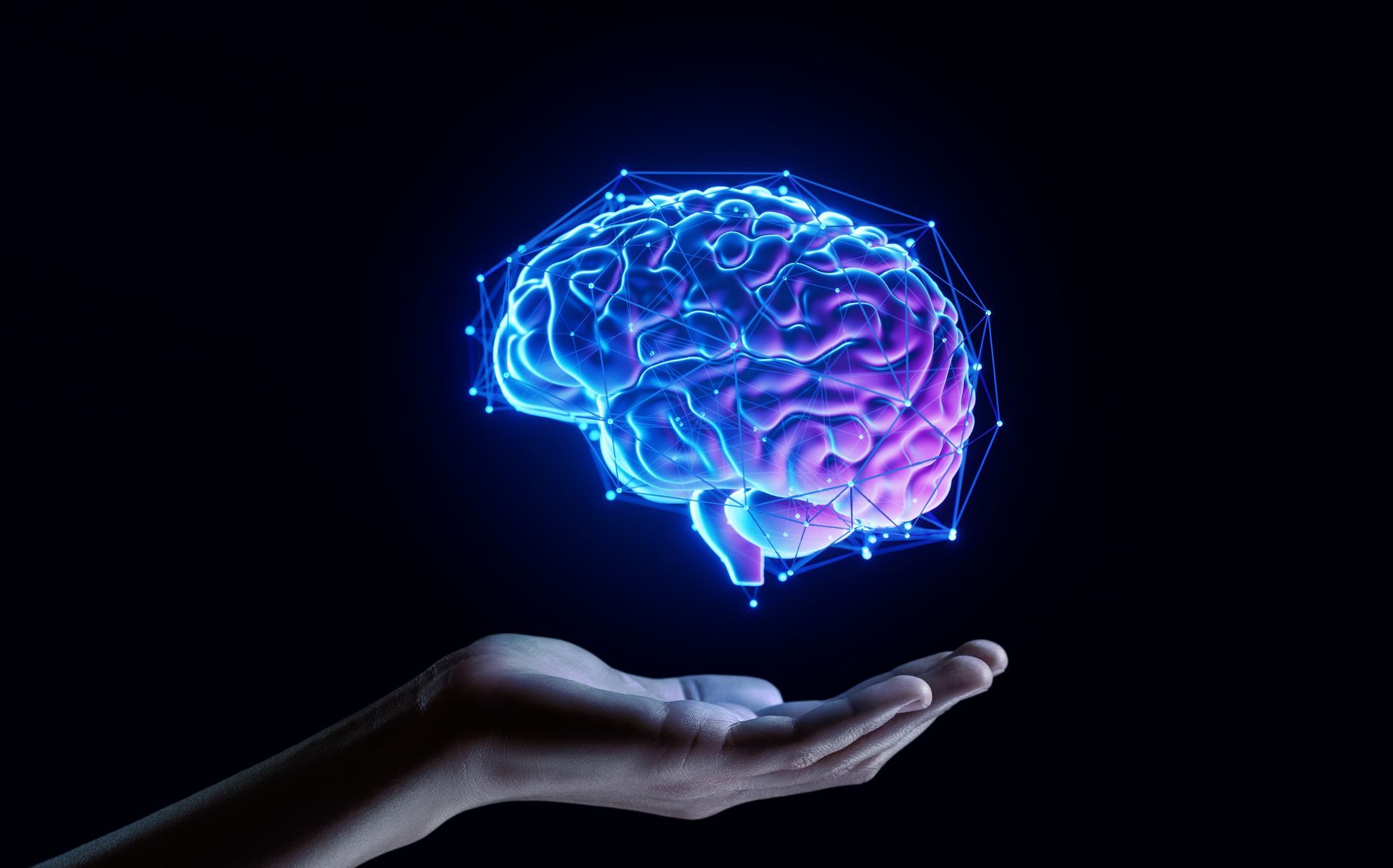
Why a Chiropractic Brain First Approach™ works
Shoulder function relies on precise coordination between the brain, spine, shoulder joint and surrounding muscles.
When this coordination is disrupted, the nervous system compensates by increasing muscle tension, altering movement patterns and heightening pain sensitivity. Over time, this can contribute to bursitis, tendon irritation and delayed recovery.
A chiropractic and functional neurology approach focuses on:
• Improving brain body communication
• Restoring efficient shoulder movement patterns
• Reducing protective muscle guarding
• Supporting postural and scapular control
• Improving load tolerance and coordination
• Supporting nervous system regulation
This approach addresses why shoulder pain persists rather than only where it is felt.

Chiropractic Care for shoulder injury
Care is personalised and guided by neurological and functional assessment findings.
Treatment may include:
• Brain based chiropractic care
• Shoulder and upper limb movement assessment
• Nervous system regulation strategies
• Postural and coordination support
• Movement based neurological stimulation
•Medical LASER Therapy where appropriate
Care is carefully paced and adapted to individual tolerance to support recovery without provoking flare ups.
Heal Faster and Recover Better with Medical LASER Therapy
Medical LASER Therapy may be used alongside chiropractic and functional neurology care to support tissue repair, circulation and inflammation reduction around the shoulder.
When integrated into care, Medical LASER Therapy may assist recovery, improve movement tolerance and support symptom reduction in shoulder bursitis and tendonitis.
shoulder injury Frequently Asked Questions
What is the difference between shoulder bursitis and tendonitis
Bursitis involves irritation of the fluid filled sacs that cushion the joint, while tendonitis involves irritation of the shoulder tendons. Both can occur together and are influenced by movement patterns and nervous system load.
Can chiropractic care help shoulder tendonitis
Yes. Care focuses on improving how the shoulder is controlled and loaded rather than only treating inflammation.
Do I need imaging before starting chiropractic care
Not always. Care is guided by clinical assessment. Imaging may be recommended if indicated.
Should I stop exercising or training
Not necessarily. Care aims to improve movement quality and tolerance so activity can be reintroduced safely.
How long does shoulder recovery take
This varies depending on the condition, duration and nervous system response. Some people notice early improvements, while others progress gradually.
Restore shoulder movement & reduce pain today
Shoulder recovery is not about pushing through pain or forcing movement.
It requires restoring how the brain and nervous system coordinate shoulder stability, movement and load so the joint can function with less strain.
A chiropractic and functional neurology approach supports long term recovery rather than short term symptom management.