
DISC HERNIATION CHIROPRACTOR IN MELBOURNE
A Brain First Approach™ Functional Neurology and Chiropractic Approach to Disc Injury Recovery
A disc herniation can be painful, limiting and unsettling, especially when symptoms affect movement, strength or nerve function.
Spinal discs are influenced not only by structure, but by how the brain and nervous system regulate posture, movement, load and muscle coordination. When this regulation is disrupted, pressure through a disc can increase and symptoms may persist.
A disc herniation is not just a structural problem.
It reflects how the nervous system controls movement patterns, spinal stability and protective responses throughout the body.
A chiropractic and functional neurology approach focuses on restoring how the brain and nervous system regulate spinal movement so pain can ease and function can improve safely.
DISC HERNIATION SYMPTOMS
Symptoms may fluctuate and do not always correlate directly with imaging findings.
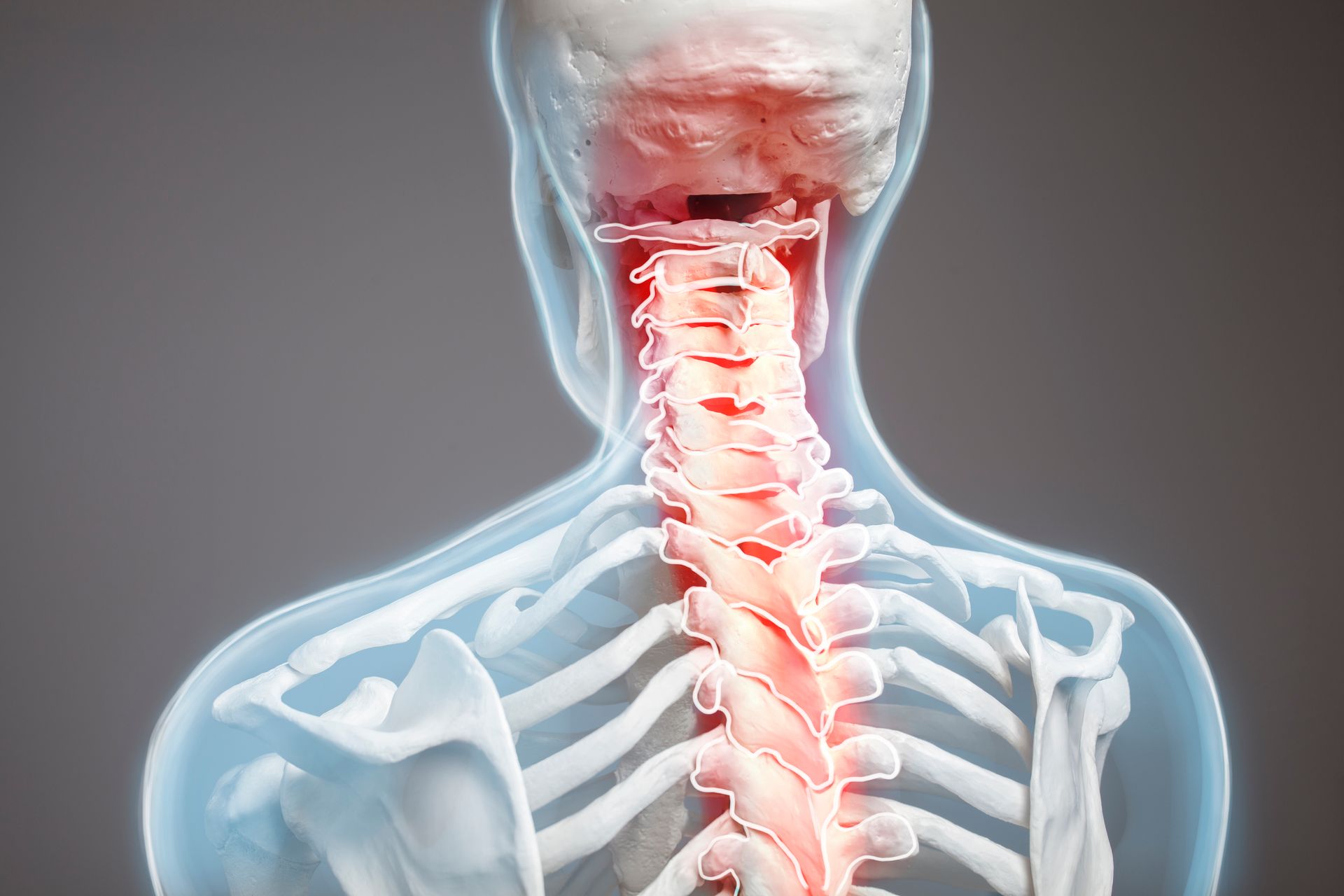
Localised spinal pain with stiffness or reduced mobility
Radiating pain, tingling or numbness into the arm or leg
Muscle weakness, heaviness or reduced coordination
Pain worsened by sitting, bending, lifting or prolonged positions

When to see a Chiropractor for Disk Herniation
This chiropractic and functional neurology approach may be suitable if you:
• Have been diagnosed with a disc herniation or disc bulge
• Experience nerve symptoms such as sciatica or arm pain
• Feel unstable, guarded or fearful of movement
• Have pain that persists despite rest or medication
• Want a neurological approach beyond symptom suppression.
Care can support both recent and long standing disc related conditions.
Why a Chiropractic Brain First Approach™ works
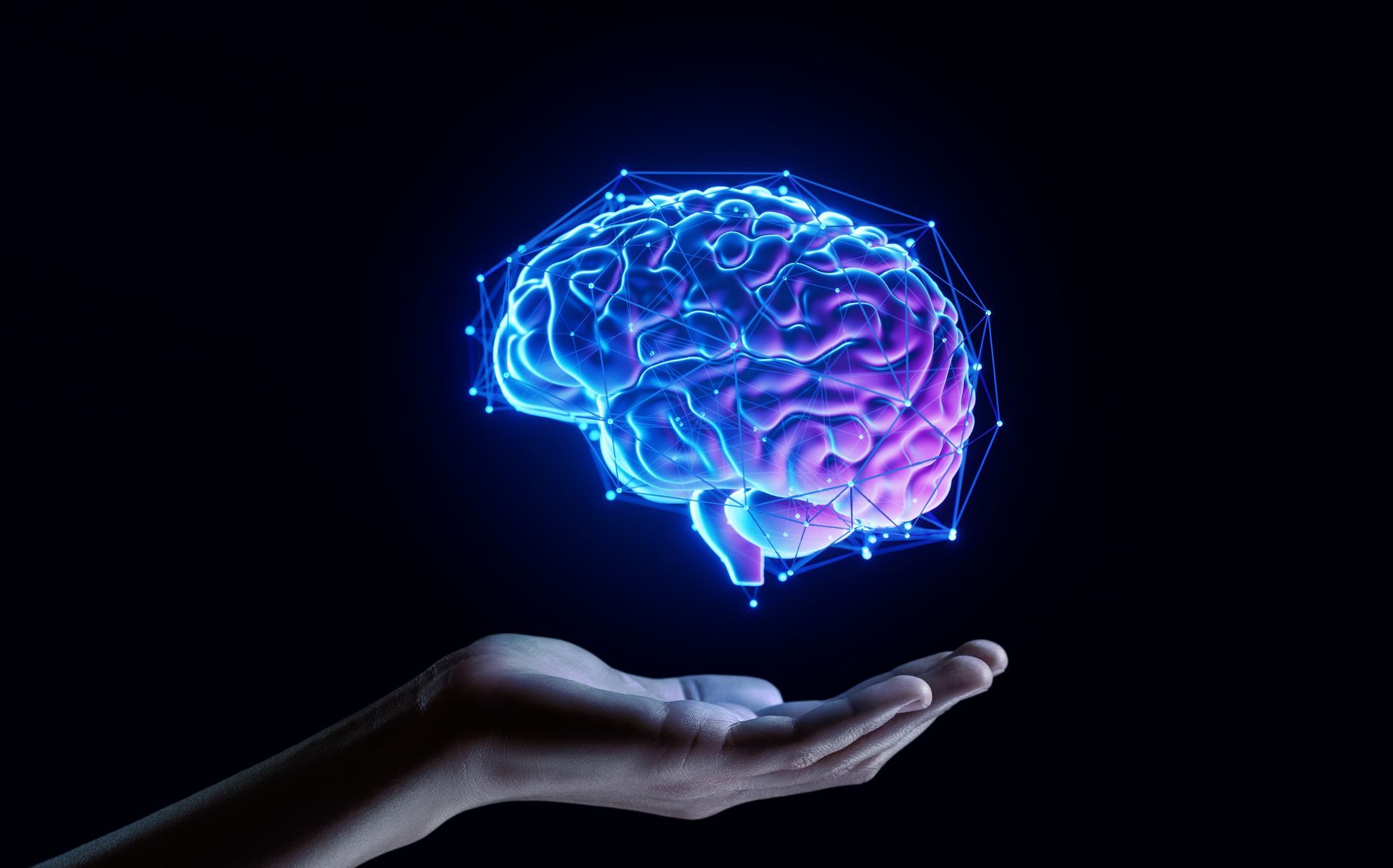
Disc related pain is strongly influenced by how the brain regulates spinal movement, muscle tone and protective responses.
When the nervous system perceives threat or instability, it increases muscle guarding and alters movement strategies. Over time, this can increase pressure through the disc and sensitise pain pathways even when tissue healing is occurring.
A chiropractic and functional neurology approach focuses on:
• Improving brain body communication
• Supporting spinal stability and coordination
• Reducing protective muscle guarding
• Improving movement confidence and control
• Calming nervous system overactivity
• Supporting adaptive movement strategies
This approach addresses why disc pain persists rather than focusing only on disc structure.

Disc Herniation Chiropractic Care
Care is personalised and guided by neurological and functional assessment findings.
Treatment may include:
• Brain based chiropractic care
• Spinal movement and stability input
• Nervous system regulation strategies
• Postural and coordination support
• Movement based neurological stimulation
•Medical LASER Therapy where appropriate
Care is carefully paced and adapted to individual tolerance to support recovery without provoking symptom flare ups.
Heal Faster and Recover Better with Medical LASER Therapy
Medical LASER Therapy may be used alongside chiropractic and functional neurology care to support tissue health, reduce inflammation and assist nervous system recovery.
When integrated into care, Medical LASER Therapy may help improve tolerance to movement and support symptom reduction in disc related pain.
disk bulge Frequently Asked Questions
What is the difference between a disc bulge and disc herniation
A disc bulge involves a general protrusion of the disc, while a disc herniation involves a more focal displacement. Both can cause symptoms depending on nervous system response and movement patterns.
Do disc herniations always require surgery
No. Many disc herniations improve with conservative care that supports movement regulation and nervous system adaptation.
Can chiropractic care help if imaging shows a herniation
Yes. Symptoms are influenced by nervous system regulation, movement control and sensitivity, not imaging findings alone.
Should I stop exercising or moving
Not necessarily. Care focuses on restoring safe movement and confidence rather than avoidance.
How long does disk herniation or buge recovery take
This varies depending on the disc, symptoms and nervous system response. Some people notice early improvement, while others recover gradually.
Can this support dysautonomia or chronic fatigue alongside POTS?
Yes. POTS commonly overlaps with dysautonomia, chronic fatigue and balance disorders. A Brain First Approach™ is designed to support nervous system regulation across these interconnected conditions.
Do I need a formal POTS diagnosis to start care?
No. Care may be appropriate for people with a formal diagnosis or those experiencing symptoms consistent with autonomic nervous system dysregulation.
Relieve disc pain and restore movement today
Recovering from a disc herniation is not about forcing movement or avoiding activity completely.
It requires restoring how the brain and nervous system coordinate spinal stability, movement and load so the spine can function with less strain and fear.
A chiropractic and functional neurology approach supports long term recovery rather than short term symptom management.