Concussions can be confusing and frustrating to recover from. If you are experiencing ongoing headaches, dizziness, neck pain, balance problems, or brain fog after a head injury, you are not alone. A concussion is not just a bump to the head. It is a disruption to how the brain and nervous system communicate with the rest of the body.
In my clinical work, chiropractic care plays an important role in concussion recovery by supporting the nervous system, addressing cervical spine involvement, and helping restore coordination between the brain and body.
Understanding concussions and what happens in the body
A concussion is a form of mild traumatic brain injury caused by a sudden impact or force to the head or body that causes the brain to move rapidly within the skull. This movement can disrupt normal brain signalling and lead to symptoms such as dizziness, headaches, sensitivity to light or noise, fatigue, difficulty concentrating, mood changes, and balance issues.
Concussions almost always involve the neck. The same force that affects the brain also impacts the cervical spine, surrounding muscles, joints, and nerves. If this area is not addressed, altered signals from the neck can continue to interfere with balance, posture, and neurological regulation.
How chiropractic care supports concussion recovery
Chiropractic care does not treat the brain injury itself. Instead, it supports recovery by improving how the nervous system functions and how the body communicates with the brain.
My approach begins with a detailed neurological and functional assessment to identify areas of restriction, imbalance, or sensory disruption that may be contributing to ongoing symptoms.
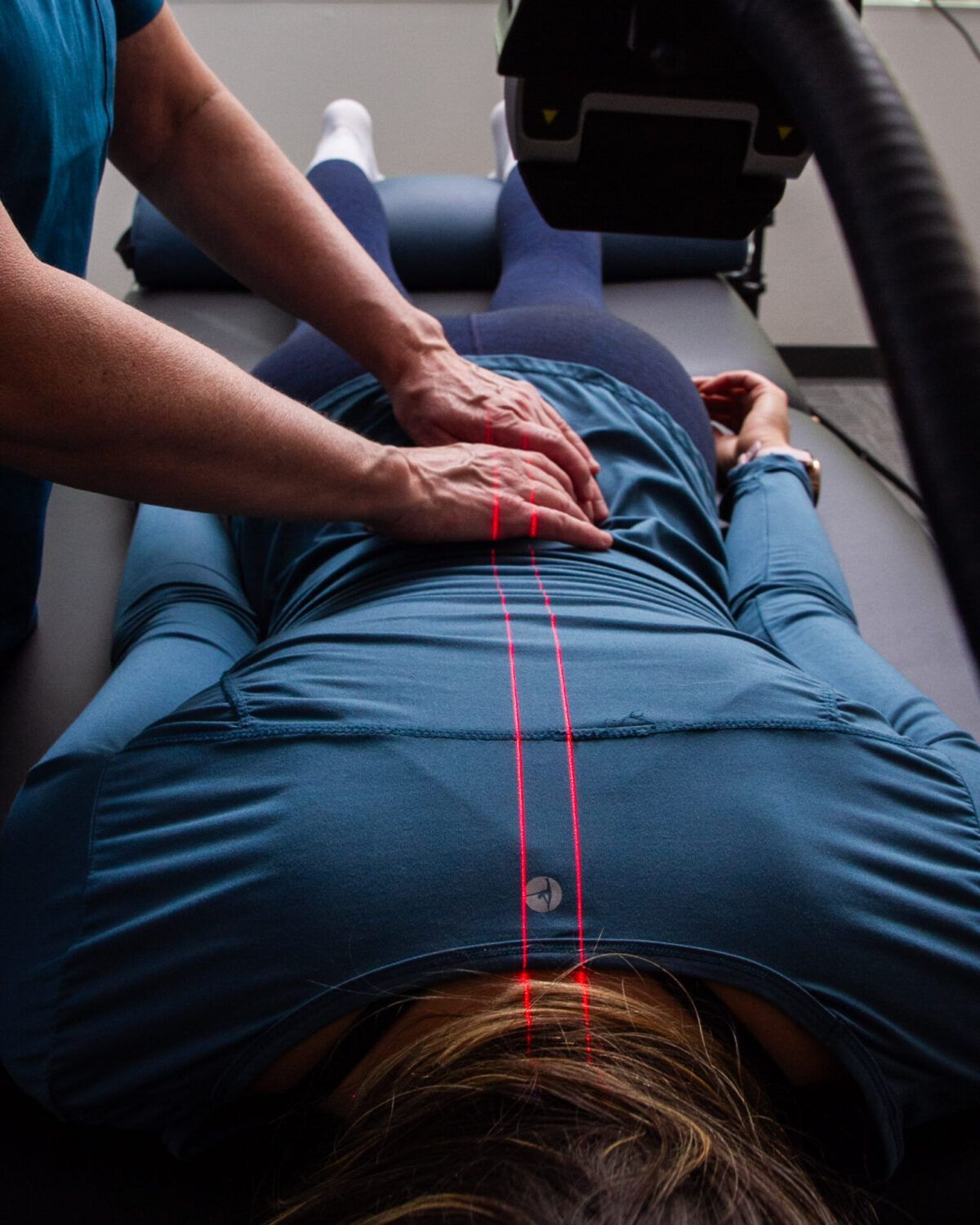
Care may include gentle chiropractic adjustments to improve joint mobility and reduce tension through the neck and spine, helping improve neurological input to the brain. Improving cervical function can reduce headaches, neck discomfort, and sensory overload.
Vestibular and balance rehabilitation is often essential after concussion. Targeted eye and head coordination exercises, balance training, and movement based neurological input help retrain the brain to process motion and spatial information accurately again. This is particularly important for dizziness, vertigo, and unsteadiness.
Neurological and functional exercises are used to improve coordination, proprioception, and nervous system efficiency. These exercises support neuroplasticity, allowing the brain to adapt and recover after injury.
Postural and movement retraining helps address protective patterns that develop after concussion. Many people subconsciously limit movement due to discomfort or fear of symptoms. Correcting these patterns improves sensory feedback and supports long term recovery.
Medical laser therapy may be included to support tissue healing, reduce inflammation, and assist neural recovery when appropriate.
Why concussion symptoms can persist
Persistent symptoms after concussion often occur because the nervous system has not fully recalibrated. If the cervical spine remains restricted or sensory integration between the eyes, inner ear, and body is disrupted, the brain continues to receive distorted information.
This ongoing mismatch can drive dizziness, balance issues, headaches, fatigue, and difficulty concentrating. Without targeted neurological rehabilitation, these patterns may continue even when imaging appears normal.
What recovery looks like
Recovery from concussion related symptoms is individual and progressive. As the nervous system adapts, many people notice reduced headaches, improved balance and steadiness, clearer thinking, less sensitivity to movement or light, improved sleep, and better energy levels.
Care is paced carefully to support nervous system regulation and avoid overstimulation while encouraging long term neurological change.
When to seek chiropractic support after concussion
If symptoms such as dizziness, balance problems, neck pain, visual disturbance, or brain fog persist weeks after a concussion, further assessment is important. Ongoing symptoms are not something you need to simply live with.
A neurological chiropractic approach can help identify the underlying drivers of post concussion symptoms and support recovery in a structured and targeted way.
Moving forward with confidence
Concussion recovery is not one size fits all. By addressing cervical spine involvement, sensory integration, and nervous system regulation, chiropractic care can play a valuable role in restoring balance, clarity, and confidence after head injury.
Book an appointment today to begin a focused chiropractic and neurological approach to concussion recovery and rehabilitation.