Balance issues can affect every part of daily life. When you feel dizzy, unsteady, or disoriented, even simple movements can become challenging. Many people are told that scans are normal or that symptoms will resolve on their own, yet balance problems often persist.
In my clinical work, I see balance issues as a neurological communication problem rather than a purely inner ear condition. Balance relies on the brain accurately integrating information from multiple systems, and when this process is disrupted, symptoms appear.
How balance works in the body
Your sense of balance depends on three key systems working together:
The vestibular system in the inner ear which detects head movement and spatial orientation
The visual system which provides feedback about motion and environment
The proprioceptive system from muscles and joints which tells the brain where the body is in space
When these systems communicate effectively, balance feels automatic. When one or more systems stop integrating correctly, dizziness and unsteadiness can develop.
Common causes of balance issues
Balance problems can arise from a wide range of triggers. Common causes include inner ear infections or inflammation, vestibular neuritis or labyrinthitis, concussion or head injury, whiplash and neck trauma, stroke or other neurological conditions, chronic stress and nervous system overload, and poor sensory integration between the eyes inner ear and body.
Even when the initial injury or infection resolves, the brain may remain locked into an inefficient pattern. This is often referred to as vestibular dysfunction and is a common reason balance issues continue.
Symptoms linked to dizziness and vertigo
Balance issues present differently for each person. Symptoms may include dizziness or vertigo, a sense of swaying or rocking, blurred or unstable vision during head movement, nausea or motion sensitivity, difficulty concentrating, mental fatigue, anxiety linked to movement, and reduced confidence when walking or turning.
These symptoms reflect altered neurological processing rather than weakness or lack of effort.
Why dizziness and unsteadiness persist
The brain learns balance through repeated sensory feedback. When that feedback is distorted due to injury infection or inflammation, the brain can adapt incorrectly. Over time, the nervous system may become over protective or poorly coordinated.
Without targeted neurological rehabilitation, these patterns may persist even when the original cause has resolved.
How I approach balance rehabilitation
My approach begins with a detailed neurological and functional assessment to identify where sensory integration has broken down. The goal is to restore accurate communication between the brain inner ear eyes and body.
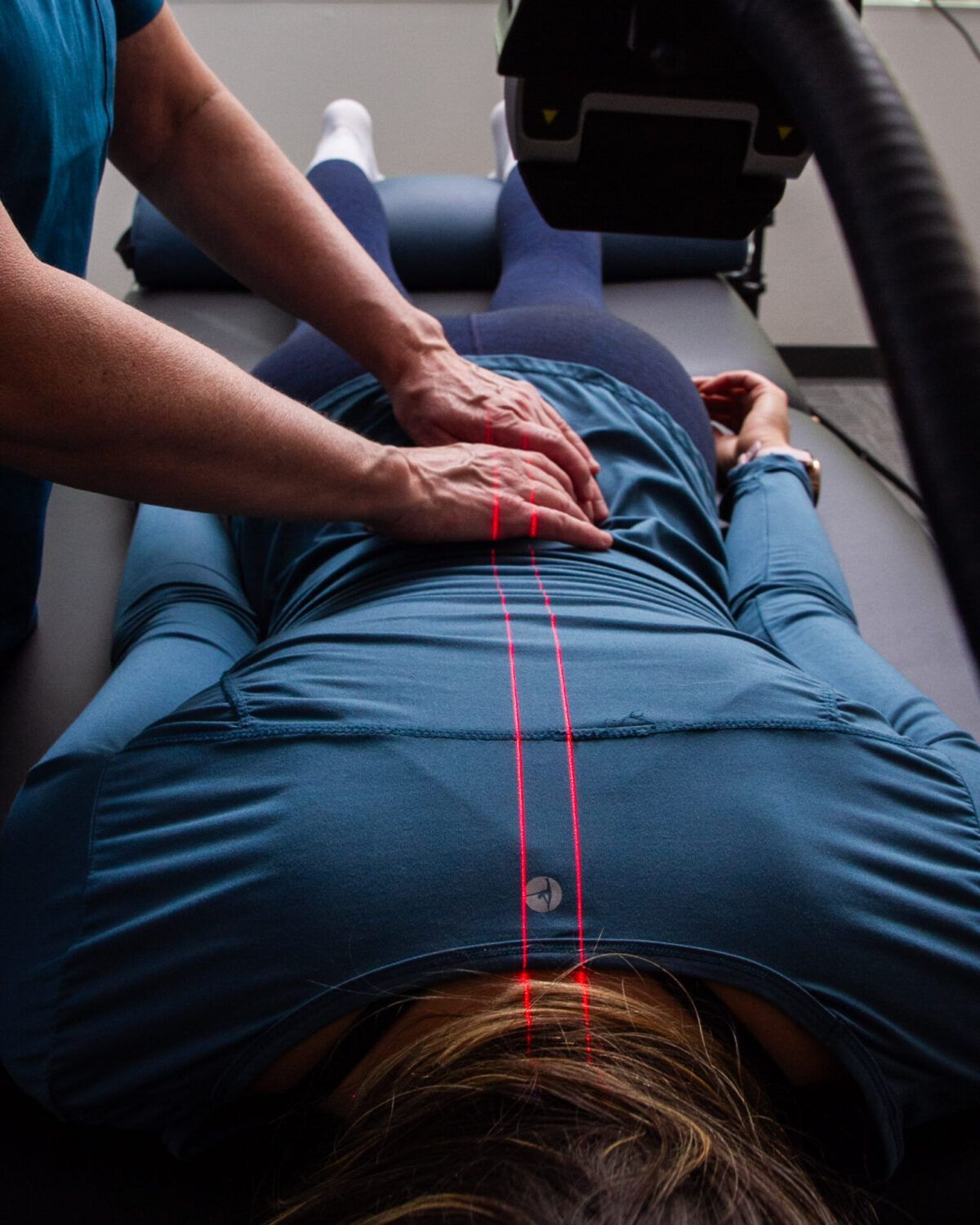
Care is tailored to the individual and may include vestibular rehabilitation exercises to improve balance and gaze stability, neurological chiropractic adjustments to support brain body communication, eye and head coordination training to reduce motion related dizziness, medical laser therapy to support neural recovery and reduce inflammation, and balance and proprioceptive retraining to rebuild trust in movement.
What recovery looks like
Recovery from balance issues is typically gradual and progressive. As the nervous system adapts, many people notice fewer dizzy episodes, improved steadiness when walking, clearer vision with movement, reduced fatigue, and increased confidence in daily activities.
Care is guided at a pace that supports nervous system regulation and long term improvement.
When to seek help for balance problems
If dizziness vertigo or unsteadiness persists beyond a few weeks, worsens over time, or interferes with daily life, further assessment is important. Ongoing balance issues are not something you need to simply accept.
With the right neurological support, the brain has a strong capacity to adapt and regain balance.
Restore stability and confidence
If balance issues dizziness or vertigo are limiting your quality of life, targeted neurological care can help. By addressing the root causes of balance dysfunction, it is possible to restore stability confidence and ease of movement.
Book an appointment today to begin a focused neurological approach to resolving balance issues and regaining control in your body.