Motion sickness and vertigo can disrupt daily life and make activities you once enjoyed feel difficult or unsafe. Whether you feel nauseous in cars or planes or dizzy without movement, these sensations are not simply imagined or something you must accept forever. They are signals that the nervous system is processing sensory information inaccurately and that targeted care can help restore balance and comfort.
I see motion sickness and vertigo as neurological balance issues that often involve the vestibular system inner ear sensory integration vision and nervous system regulation. My approach focuses on understanding why these symptoms occur and how we can support your brain and body to work together more effectively again.
What motion sickness and vertigo really are
Motion sickness occurs when there is a mismatch between sensory inputs your brain receives. For example when the inner ear senses movement but your eyes and body do not see or feel the same motion the brain interprets this conflict as ‘danger.’ Your nervous system responds with nausea dizziness and imbalance as a protective reaction.
Vertigo is a specific type of dizziness that creates a false perception of spinning or movement even when you are still. It often arises from the vestibular system in the inner ear but can also involve sensory feedback from the neck eyes and proprioceptive system. This miscommunication between sensory inputs and the brain can result in intense dizziness nausea balance problems and sensitivity to motion or visual patterns.
Common triggers of motion sickness and vertigo
Motion sickness can appear in cars boats airplanes and virtual reality environments. It can also occur with reading or screen use while moving. Vertigo is commonly linked to inner ear dysfunction vestibular neuritis benign positional vertigo sensory integration disruption concussion neck problems and chronic imbalance.
Both conditions involve sensory conflict and nervous system overload. When the brain receives conflicting signals from the inner ear eyes and body the nervous system struggles to accurately orient you in space. This can lead to nausea imbalance dizziness and a feeling that the world is moving around you.
Why these symptoms can persist
After an initial trigger such as a head injury infection inflammation or prolonged motion exposure the nervous system can become overly sensitive or slow to recalibrate. Even when the original trigger is resolved dizziness nausea imbalance and motion sensitivity can continue because the brain is still interpreting sensory signals incorrectly.
Vestibular dysfunction sensory integration difficulty and neurological imbalance are common reasons symptoms continue long term.
How chiropractic and neurological care can help
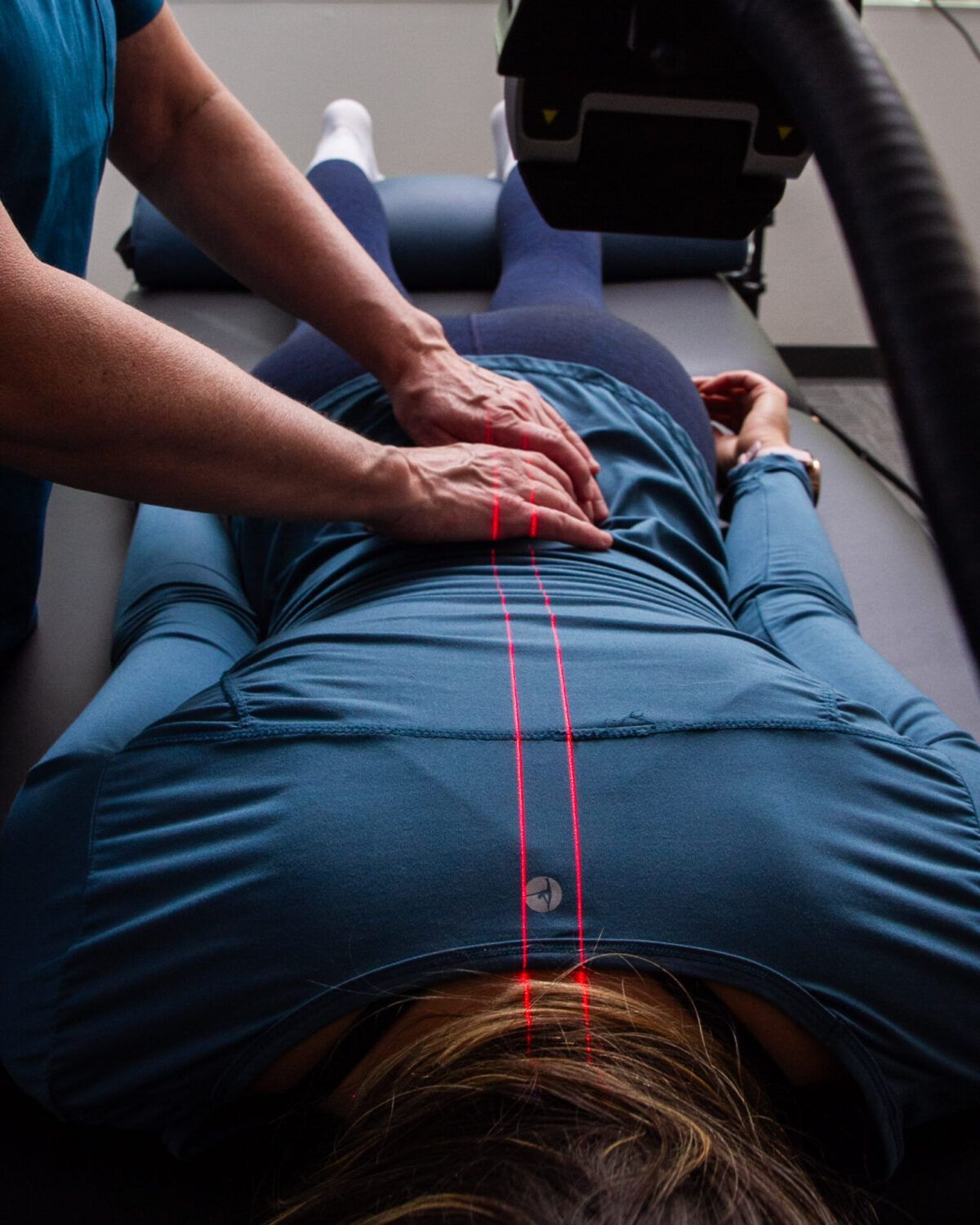
Chiropractic care plays a valuable role in addressing motion sickness and vertigo by improving nervous system regulation sensory integration and physical alignment. I begin with a detailed neurological and functional assessment to understand how your vestibular vision and proprioceptive systems are communicating with your brain.
Care is individualised and can include:
Gentle chiropractic adjustments to improve neck and spine function and reduce physical tension that can interfere with nervous system signals
Vestibular rehabilitation exercises to help retrain eye head coordination balance control and spatial orientation
Movement based neurological exercises to support sensory integration motor control and neuroplasticity the brain’s ability to adapt after disruption
Postural training to correct movement patterns that reinforce sensory mismatch and overload
Targeted balance training to reduce dizziness motion sensitivity and improve confidence in movement
These therapies help the brain relearn accurate sensory mapping so that signals from the inner ear eyes and body are interpreted correctly again. As balance control improves dizziness nausea and motion sensitivity lessen.
What recovery feels like
Recovery from motion sickness or vertigo is a gradual process. As your nervous system recalibrates many people notice less dizziness more tolerance to motion clearer thinking improved energy and a greater sense of stability in daily life.
Movement becomes easier and more comfortable as sensory integration improves and the nervous system becomes less reactive to motion triggers.
When to seek help for motion sickness and vertigo
If motion sickness vertigo dizziness or imbalance are affecting your daily activities travel work or confidence it is important to seek assessment and support. Ongoing symptoms are not something you need to simply endure. With a targeted neurological chiropractic approach the brain and body can relearn accurate balance mapping and restore comfort and control.
Take the first step toward balance and comfort
Motion sickness and vertigo may feel overwhelming but they are treatable. By addressing the neurological and sensory causes of your symptoms we can help your nervous system work more effectively again so that motion feels manageable and balance feels natural.
Book an appointment today and begin a targeted neurological chiropractic approach to resolving motion sickness vertigo and ongoing dizziness.